

Women in Global Leadership: One‑Third of UN Nations Have Had Women Heads

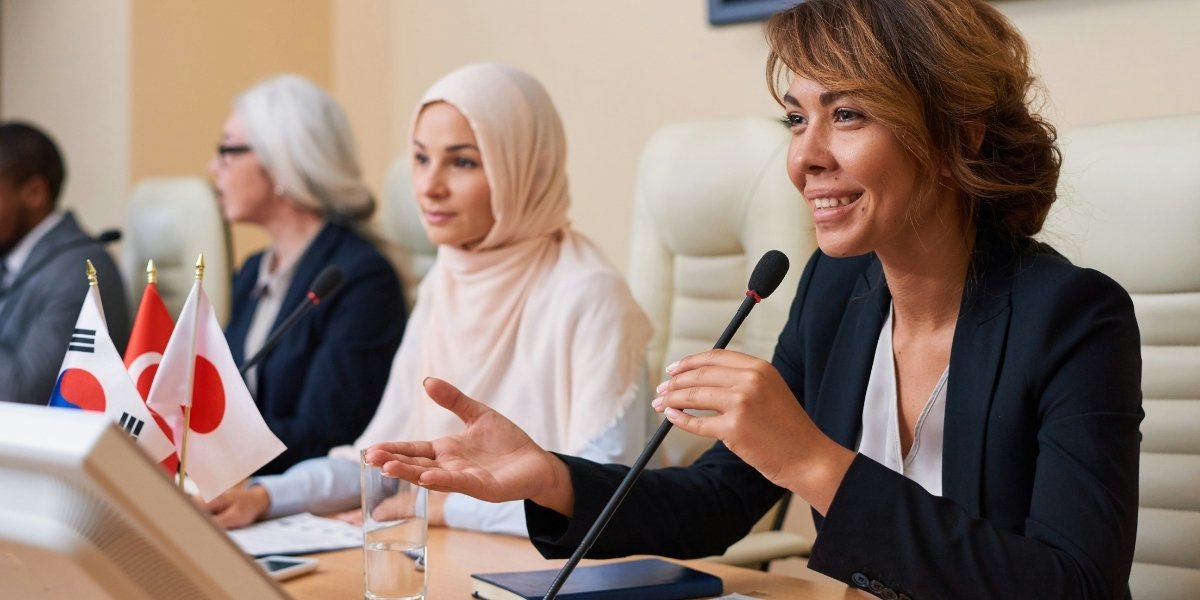
As of early 2026, a groundbreaking statistic shows that one-third of United Nations member states have had a woman lead as head of state or head of government. This achievement highlights the long journey toward gender equality in leadership, even as significant challenges remain.
According to recent studies, 63 countries have experienced female leadership at the highest level. This marks a turning point in the traditionally male-dominated field of global politics, signaling steady progress over several decades. From the early pioneers to today’s modern leaders, women have shown their capacity to lead on the world stage, navigating complex national and international challenges.
Women Who Paved the Way: The Early Leaders
The first female heads of state and government were historic figures whose leadership defied the norms of their time. Sirimavo Bandaranaike of Sri Lanka made history in 1960 by becoming the world’s first female prime minister. Her election set the stage for other women to follow suit in countries around the world.
Indira Gandhi of India followed as one of the most influential female leaders, serving as prime minister from 1966 until her assassination in 1984. Gandhi’s tenure marked a period of significant political, social, and economic change for India, leaving an indelible mark on the nation’s history.
Since then, numerous countries have witnessed women rise to positions of leadership. These figures have had a profound impact on their respective nations, bringing about pivotal reforms, economic growth, and international alliances. The rise of women in leadership roles across the globe is not only a historical phenomenon but a movement that continues to evolve.
Where Women Leaders Are Today: Regional Distribution
The distribution of women in leadership roles varies by region, with some areas experiencing higher concentrations of female leaders than others. Europe has seen a consistent presence of women leaders, with prominent figures like Angela Merkel, who served as Germany’s chancellor for over 16 years, and Margaret Thatcher in the United Kingdom, who led from 1979 to 1990.
Latin America has also seen remarkable women leaders, such as Michelle Bachelet of Chile and Cristina Fernández de Kirchner of Argentina. Both women held significant power in their countries, implementing major reforms and contributing to international politics.
In Africa, Ellen Johnson Sirleaf of Liberia made history as the continent’s first elected female head of state, serving from 2006 to 2018. Her tenure marked a period of recovery and growth for Liberia after years of civil conflict.
Meanwhile, Asia has seen notable female leaders such as Benazir Bhutto of Pakistan and Corazon Aquino of the Philippines, both of whom became symbols of political change in their respective nations.
Despite the strides made in some regions, others still have no women leaders, reflecting the uneven progress in political gender equality. In many places, cultural and systemic barriers continue to restrict women’s access to high office, underscoring the need for further efforts to address these challenges.
Current Leadership Landscape: Women at the Helm in 2026
As of 2026, 28 countries around the world have a woman in a leadership position. This includes a diverse group of nations like Italy, Bangladesh, Barbados, and Moldova, where female leaders have gained prominence. These leaders are making strides in various fields, from economic recovery to social reform and global diplomacy.
Despite this progress, women still represent a minority in global leadership. Women leaders today make up less than 10 percent of the total world leaders, signaling that while significant steps have been taken, true gender parity in governance remains a distant goal. The data reflects an encouraging trend but also highlights the disparity in leadership representation, particularly in regions where female leaders are still rare.
The continued rise of female leaders worldwide demonstrates the shift towards more inclusive and diverse political systems, but it also reveals the challenges that remain in achieving full equality.
Challenges and Barriers Women Face in Politics
The rise of women in global leadership has been impeded by several structural barriers, some of which are deeply ingrained in political systems. Cultural expectations, gender biases, and political party dynamics continue to make it difficult for women to ascend to top political positions.
Women often have to navigate complex systems that are designed by and for men. They face entrenched societal expectations about their roles, which can limit their opportunities for advancement. In many cases, they also encounter resistance from established political structures that are reluctant to relinquish power.
Despite these obstacles, women leaders have found ways to break through these barriers. Many have come to power through grassroots movements, professional achievements, or by advocating for significant political reforms. Their visibility has sparked greater participation in politics among women, creating a ripple effect that encourages more women to pursue political careers.
The contributions of women leaders often extend beyond traditional political platforms, touching on critical issues such as economic equality, healthcare, education, and international peace. Their leadership has inspired a new generation of women to enter politics, driving the ongoing shift toward gender equality.
Expanding Women’s Leadership Globally
The fact that one-third of UN member nations have had a woman serve as head of state or government is a significant milestone in the ongoing battle for gender equality in global leadership. However, while progress is clear, women’s leadership still faces considerable obstacles.
The milestones of the past reflect how far the world has come, but they also underscore the need for continued work toward achieving true gender equality. Women have proven themselves capable of shaping the political landscape, whether through tackling economic challenges, guiding nations through crises, or building international partnerships.
As we look to the future, there remains an urgent need for efforts to support women in politics and to remove the systemic barriers they face. Political structures, societal norms, and institutional biases must continue to evolve to ensure that women are not only represented in leadership roles but are able to lead effectively and sustainably.
With more women in power and the momentum growing, there is hope that gender parity in global leadership will one day be fully realized, making way for more inclusive governance in the decades ahead.