Architecture as Brand Identity How Design Shapes Perception

In today’s competitive real estate and commercial landscape, architecture is far more than shelter—it is a statement. Every line, material choice, and spatial arrangement communicates values, establishes credibility, and shapes perception. Buildings no longer simply house businesses or residents; they have the potential to embody brand identity, influencing how stakeholders experience and remember a company, a development, or a neighborhood.

Firms like Netta Architects approach architecture strategically, understanding that thoughtful design can transform structures into symbols—silent ambassadors of quality, innovation, and vision.

Architecture as a Strategic Narrative

Architecture communicates before words are spoken. Facade articulation, transparency, scale, and materiality can convey status, ambition, and attention to detail. A contemporary glass-and-steel office may signal innovation and professionalism, while a heritage-inspired boutique residential development might communicate authenticity, permanence, and refinement.

Brand identity through architecture is intentional. Every design choice—from proportion to finish to circulation patterns—is a sentence in the story the building tells. It aims to create trust, attract ideal tenants or clients, and position a property or company in a market where perception plays a significant role in driving value.

The Psychological Influence of Design

Humans are inherently visual and spatial creatures. Environments affect mood, decision-making, and behavior. When architecture aligns with brand identity, it may influence expectations and experiences subconsciously.

Consider a corporate headquarters designed with open, collaborative spaces: it may signal transparency and a forward-thinking culture. A mixed-use development with thoughtfully scaled, inviting public areas could convey care for community and human experience. The architecture itself reinforces the values and mission of its brand, long before an interaction occurs.

Commercial Applications: Attracting Clients and Investors

For commercial developers, architecture can serve as an investment in market differentiation. In crowded office districts, tenants often prefer buildings that exude prestige, professionalism, and innovation. Thoughtful design can increase leasing velocity, strengthen retention, and enhance reputation.

Investors are similarly influenced. A well-branded building may suggest stability, long-term value, and operational competence. Design quality helps reduce perceived risk and can enhance confidence in the asset. Architecture, in this sense, becomes a financial tool as well as a communicative one.

Residential Branding and Lifestyle Positioning

In multi-family and mixed-use projects, architecture signals lifestyle. Residents evaluate buildings not only on location and amenities, but on experiential qualities: light, circulation, spatial hierarchy, and visual identity. Premium architectural expression can convey quality and intention, justifying higher rents or sale prices.

From boutique developments to high-density luxury residences, architecture has the ability to differentiate offerings and establish a compelling narrative of lifestyle, comfort, and prestige.

Architecture as a Holistic Brand Asset

True brand-driven architecture integrates multiple layers:

  • Façade and materiality: Helps reinforce identity and permanence

  • Spatial hierarchy and flow: Shapes user experience and engagement

  • Public and communal spaces: Reflect social values and accessibility

  • Sustainability and innovation: Communicates responsibility and foresight

When these elements align, buildings evolve into more than functional assets—they become extensions of a brand’s ethos, visible to everyone who interacts with the space.

The Long-Term Value of Design Identity

Design-driven branding tends to be durable. Buildings with distinct architectural identity often retain value over time, both monetarily and perceptually. They continue to attract tenants, impress visitors, and inspire confidence long after construction is complete.

Conversely, a generic or inconsistent design may diminish perceived value, weaken market positioning, and require costly interventions to maintain competitiveness. Architecture, when leveraged as brand identity, helps protect and enhance investment for decades.

Summary

Architecture is an unspoken communicator, a strategic asset, and a long-term differentiator. It shapes perception, fosters trust, and conveys value in ways that marketing campaigns alone often cannot achieve.

By treating design as a core component of brand strategy, developers, corporations, and communities alike can create spaces that resonate emotionally, function efficiently, and endure as symbols of excellence.

In essence, architecture is not just about buildings—it is about identity. The spaces we inhabit play a significant role in defining who we are, how we are perceived, and the legacy we leave. Thoughtful, intentional, brand-driven design aims to make identity not only visible, but unforgettable.
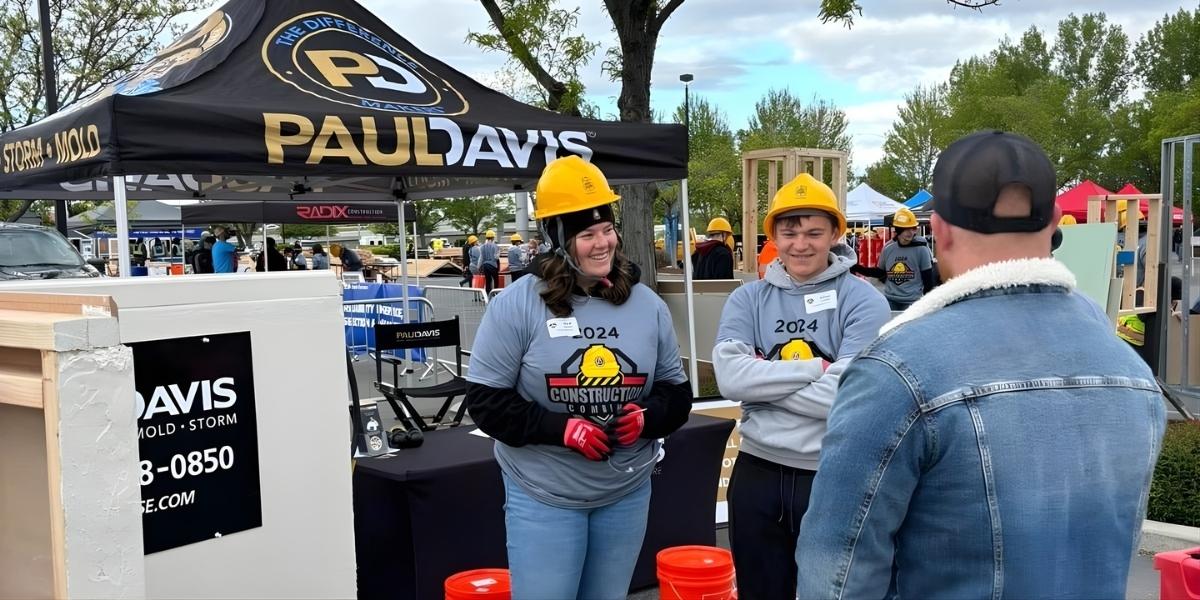

Paul Davis Restoration of Idaho Falls Helps Idaho Property Owners Recover Faster With Clear Communication and Full-Service Restoration

Restoring Property and Peace of Mind in Idaho

When a home or business is hit by water damage, mold, storm impact, or an unexpected backup, the disruption is immediate. Floors, walls, and personal belongings can be affected in minutes, while the stress can linger for weeks if the recovery process is unclear or drawn out. In those moments, property owners are not just looking for equipment and crews. They are looking for guidance, honest answers, and a team that can manage the project from the first emergency call to the final repairs.

Paul Davis Restoration of Idaho Falls has built its reputation around being the kind of partner people want during a difficult situation: responsive, organized, and direct about what comes next. Backed by decades of experience serving Idaho communities, the company focuses on helping customers navigate both the physical restoration and the emotional weight that often comes with property loss. More information about services and local support can be found on the Paul Davis Restoration of Idaho Falls website.

A One-Stop Partner for Mitigation, Contents, and Repairs

Restoration is often described as “cleanup,” but property owners quickly learn it involves far more than removing water or setting drying equipment. There are contents to protect, documentation to manage, materials to source, and repairs that must be coordinated correctly so the property can return to normal.

Paul Davis Restoration of Idaho Falls positions itself as a one-stop shop for residential and commercial losses of all sizes. That means the team can handle mitigation, contents handling, and repairs under one coordinated process. Whether the situation is limited to a small affected area or requires significant rebuilding, the company’s goal is to reduce the number of handoffs and delays that can happen when multiple vendors are involved.

For customers, this approach can translate into a smoother experience: fewer people to coordinate, fewer gaps in communication, and a clearer path from the initial emergency response to completed restoration.

Communication That Keeps Customers Confident and Informed

Many restoration companies have access to the same types of professional equipment and follow industry-standard techniques. Paul Davis Restoration of Idaho Falls highlights a different differentiator: communication that is proactive, transparent, and consistent from the start.

Instead of waiting for questions or allowing uncertainty to build, the team focuses on setting realistic expectations early, including what the process will look like, what the timeline may involve, and what challenges can occur along the way. This is particularly important in restoration work, where drying requirements, material availability, and insurance coordination can influence schedules.

Setting Clear Expectations From Day One

A major source of frustration for property owners is feeling like the project is happening “to them” rather than “with them.” Paul Davis Restoration of Idaho Falls addresses this by onboarding customers from day one, using structured education and clear outlines of the restoration process. The intent is to help customers understand what will happen next, what decisions may be needed, and how progress will be measured, so there are fewer surprises.

Just as importantly, the company emphasizes honest conversations even when they are difficult. Timelines and constraints are discussed directly, and the team aims to keep customers aligned with realistic outcomes throughout the project.

The Same Team and Values Across Idaho

Consistency matters, especially for property owners who may have locations in different areas or who simply want confidence that quality does not change across a service map. Paul Davis Restoration of Idaho Falls serves communities from the Treasure Valley through East Idaho with a focus on consistent values and a dependable customer experience.

In an industry where franchise ownership and service standards can vary by ZIP code, the company positions its coverage as a way to provide reliability across the state. The goal is simple: customers should not have to wonder if the experience will change based on location.

Rapid Emergency Response When Minutes Matter

Disasters do not wait for business hours. Water can spread quickly, and moisture left unaddressed can create secondary damage that increases cost and complexity. Paul Davis Restoration of Idaho Falls typically responds within 60 to 90 minutes, helping customers take control of the situation before it escalates.

The company is staffed and equipped to respond 24/7, which is especially valuable when damage happens overnight, over a weekend, or during harsh seasonal conditions. A fast response can mean the difference between a localized repair and a more extensive rebuild, and it can also bring peace of mind to property owners who feel overwhelmed in the first hours of the event.

Insurance Coordination That Reduces Delays and Frustration

The insurance process can be one of the most stressful parts of restoration, particularly for customers navigating a claim for the first time. Paul Davis Restoration of Idaho Falls emphasizes in-house communication and estimating, with the intent of keeping customers informed while coordinating directly with insurance professionals.

Because the company has built long-standing relationships with major insurance carriers in the region, it is positioned to streamline communication between homeowners, adjusters, and project teams. That alignment can help reduce delays and keep expectations clear on scope, documentation, and timelines.

The company also offers free inspections in many cases, with estimates determined based on the job size and the customer’s goals. The overall focus remains on clarity and professionalism, helping property owners understand their options and move forward with confidence.

Customer Experiences That Reflect the Company’s Standards

A company’s message matters, but customer outcomes matter more. Reviews for Paul Davis Restoration of Idaho Falls frequently highlight responsiveness, professionalism, and the steady communication customers want during a stressful situation.

One Idaho homeowner, Matthew Williams, shared a detailed account after a septic tank backup impacted basement rooms, noting how quickly help arrived and how thoroughly the process was managed. In his words, “After making one call to Paul Davis, they were instantly on site, cleaning up the mess and removing all contaminated items.” He also described how the project management and insurance coordination helped reduce the burden during an already difficult moment, adding that the team “restored my basement to better shape than it was before.”

Other customer feedback echoes similar themes: organized crews, clear updates, and a supportive approach that treats customers like people first, not projects. That focus aligns closely with the company’s internal hiring philosophy, which emphasizes empathy and communication skills alongside technical training.

How to Learn More and Stay Connected

For Idaho property owners who want a restoration partner that combines fast response with clear communication and full-service project management, Paul Davis Restoration of Idaho Falls offers support designed for the moments when it is needed most.

To stay connected with local updates, tips, and behind-the-scenes project insights, customers can also follow the Idaho Falls team on Instagram and connect with Paul Davis on Facebook.

When Disaster Strikes: Inside Convoy’s Relief Efforts Around the Globe

Disasters strike with little regard for borders, often leaving behind a trail of chaos that demands a swift, coordinated response. In the wake of natural disasters and crises, organizations like Convoy of Hope play a crucial role in providing life-saving aid to affected individuals. Their global footprint touches communities in Southeast Asia, Eastern Europe, the Caribbean, South Asia, and beyond. 

Through their work, Convoy highlights the importance of rapid mobilization, tailored interventions, and community-driven support. Whether it’s through emergency food drops, medical assistance, or collaborative recovery efforts, Convoy ensures that help is never far behind when disaster strikes.

Convoy of Hope’s Mission and Approach

Convoy operates with a clear goal: to deliver hope and practical aid where it’s needed most during times of crisis. Their work spans continents, providing food, clean water, shelter, and medical supplies to communities struck by disaster. Whether the emergency is a typhoon in Southeast Asia or a conflict-driven displacement in Eastern Europe, Convoy’s teams are equipped to act fast.

What sets them apart is their use of pre-positioned supplies and long-standing relationships with local partners. These partnerships allow them to navigate complex conditions and reach people quickly, even in remote or heavily damaged regions. The ability to scale without losing personal connection is what enables Convoy to maintain trust and consistency in fragile situations.

How Convoy Mobilizes in Crisis Zones

When disaster strikes, the first 72 hours are crucial. Convoy is deploying resources immediately, coordinating with local responders, and utilizing established supply routes to move essentials into the affected area. Their teams assess needs on the ground in real time, adapting quickly to shifting conditions.

In many cases, Convoy is already one step ahead. With warehouses stocked in strategic global locations and partnerships already in place, they can bypass delays that often hinder traditional relief efforts. During the early moments of the Türkiye-Syria earthquake, this readiness allowed them to begin distributing critical aid even as aftershocks continued to shake the region.

Global Relief in Action

Convoy’s work has reached communities across the globe, from earthquake-hit villages in Türkiye to hurricane-ravaged islands in the Caribbean. Each deployment reflects a tailored approach, reflecting the unique needs of the people affected and the challenges on the ground. Whether responding to floods in South Asia or winter storms in the U.S., their teams adapt swiftly to changing environments.

During the aftermath of the Türkiye-Syria earthquake, Convoy delivered food, hygiene kits, and temporary shelter to thousands. Even in remote or heavily damaged regions, families received life-saving support in the critical early days. In some areas, their intervention was the first organized aid many residents received.

Overcoming Operational Challenges

Disaster zones are rarely predictable. Convoy of Hope often faces damaged infrastructure, blocked roads, and harsh weather conditions that complicate logistics. Despite these barriers, their teams press forward, guided by preparation and a flexible strategy that enables them to pivot when plans change. The use of satellite communication and local guides helps them stay on course even when conventional routes are impassable.

In politically unstable regions, navigating local regulations and security risks adds another layer of complexity. Convoy’s long-standing relationships with trusted local organizations enable it to sidestep bureaucratic delays and operate within cultural and legal frameworks. This ability to remain agile under pressure is what enables their response to stay effective, even in the most demanding scenarios.

Getting Involved

Support for Convoy’s mission can take many forms. From financial contributions that fund emergency supplies to volunteers who sort and pack shipments, every act of involvement helps extend the reach of their impact.

Community engagement plays a vital role in building resilience. Schools, businesses, and faith groups around the world have partnered with Convoy to host donation drives, awareness campaigns, and preparedness trainings. Such initiatives also empower communities to respond more effectively when disaster hits close to home.

Being part of the solution doesn’t always require being on the ground. By staying informed, sharing stories, and encouraging others to contribute, individuals can help amplify the response and ensure that help arrives when it’s needed most.