AI in Machine Guarding and Industrial Automation Safety: Speedshield Technologies’ Role in Advancing Safety Systems

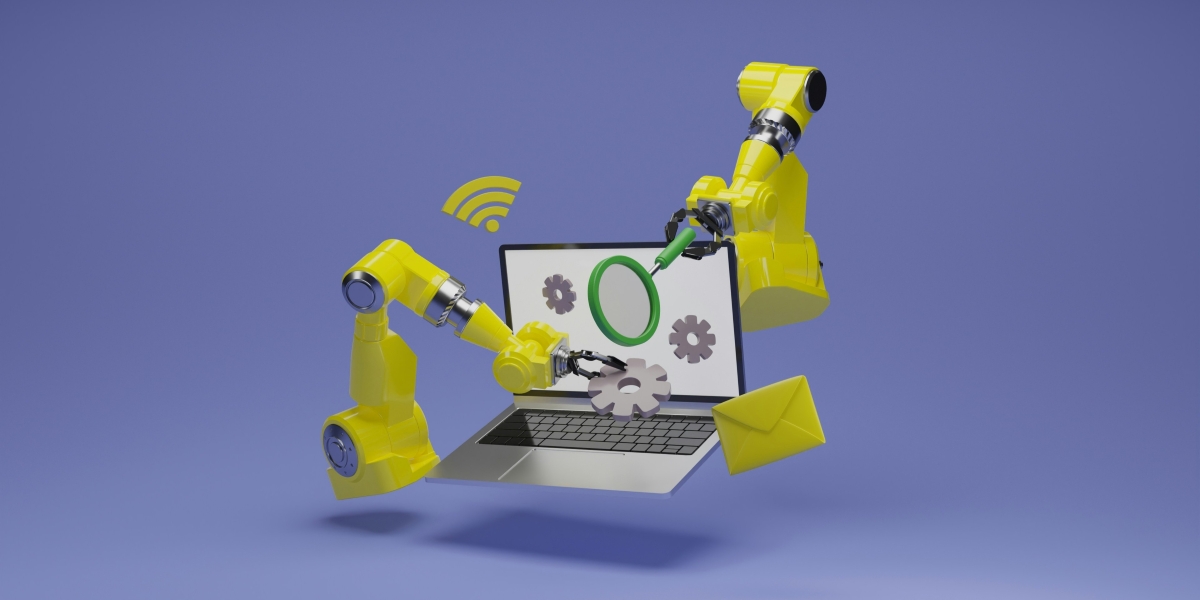
Artificial intelligence is rapidly reshaping the industrial landscape. From predictive maintenance to fully automated production lines, smart systems are helping redefine efficiency and productivity. Yet alongside these advancements comes an equally important priority: safety. As factories and warehouses become more autonomous, the integration of AI in machine guarding and industrial automation safety is not just a futuristic concept — it’s becoming an increasingly practical necessity.
Companies like Speedshield Technologies are at the forefront of this evolution, combining physical guarding solutions with forward-thinking approaches that align with modern automation demands. In today’s high-speed industrial environments, safety systems may need to be just as intelligent and responsive as the machines they protect.
The Shift from Passive to Intelligent Safety
Traditional machine guarding has long relied on physical barriers, interlocked doors, fixed fencing, and emergency stop mechanisms. These remain essential components of any compliant safety system. However, as automation increases, static safety measures can struggle to keep pace with dynamic, data-driven production environments.
AI-enhanced safety systems introduce a new layer of protection. Rather than simply blocking access to hazardous zones, intelligent systems can:
- Detect human presence in restricted areas in real time
- Analyse behavioural patterns to predict unsafe actions
- Automatically adjust machine operations when risks are identified
- Generate alerts before incidents might occur
This shift moves safety from reactive to proactive. Instead of responding after a breach or malfunction, AI-enabled guarding systems may be able to anticipate hazards and intervene before injuries take place.
Vision Systems and Real-Time Risk Detection
One of the most significant applications of AI in machine guarding is computer vision. Advanced cameras integrated with machine learning algorithms can differentiate between authorised personnel, tools, materials, and unexpected obstructions.
For example, in a robotic welding cell, AI vision systems can:
- Identify when a worker enters a designated exclusion zone
- Distinguish between normal operational movements and abnormal behaviours
- Instantly trigger a controlled slowdown or stop
Unlike simple light curtains or pressure mats, AI vision systems continuously learn and adapt to environmental conditions. This reduces the likelihood of false positives while maintaining stringent safety controls.
Predictive Safety Through Data Analytics
Industrial automation generates vast amounts of data — from equipment temperature and vibration levels to cycle times and operator inputs. AI can analyse this data to detect patterns that could signal potential safety risks. Predictive analytics may identify:
- Mechanical wear that could lead to catastrophic failure
- Repeated operator interactions with unsafe proximity
- Environmental factors increasing the likelihood of incidents
By recognising early warning signs, organisations may be able to address issues before they escalate into injuries, downtime, or regulatory breaches.
Safer Human–Robot Collaboration
Collaborative robots (cobots) are becoming increasingly common in Australian manufacturing and logistics facilities. Unlike traditional industrial robots that operate in isolated cages, cobots are designed to work alongside humans.
AI plays a critical role in helping to ensure this collaboration remains safe. Intelligent systems can:
- Monitor speed and force in real time
- Adjust robot movement based on human proximity
- Detect unexpected resistance or obstruction
This dynamic response may be essential in shared workspaces. AI-driven safeguards could enable productivity gains without compromising worker wellbeing.
Compliance with Australian Safety Standards
In Australia, machine guarding and industrial safety are governed by Work Health and Safety (WHS) legislation and relevant Australian Standards. As automation technologies evolve, compliance requirements are becoming more nuanced.
AI-integrated systems must still align with:
- Risk assessment obligations
- Hierarchy of control principles
- Engineering control standards
- Documented safety validation processes
Importantly, AI does not replace physical guarding — it enhances it. Fixed guards, perimeter fencing, and access control systems remain foundational. AI adds an additional intelligence layer that supports compliance and strengthens risk mitigation strategies.
Reducing Downtime While Improving Protection
One common misconception is that enhanced safety reduces productivity. In reality, AI-driven machine guarding can improve operational efficiency. By:
- Minimising unnecessary shutdowns
- Reducing false alarms
- Preventing costly accidents
- Enabling predictive maintenance scheduling
…organisations may experience fewer disruptions. A serious workplace injury could halt production, damage morale, and attract significant legal consequences. Intelligent safety systems may protect not only workers but also business continuity.
Cybersecurity and Industrial Safety Convergence
As AI systems become integrated with industrial control networks, cybersecurity becomes inseparable from physical safety. A compromised automation system could create hazardous operating conditions. Modern industrial safety frameworks must therefore consider:
- Secure network architecture
- Controlled access to AI systems
- Regular software updates and vulnerability testing
- Data integrity monitoring
The convergence of cybersecurity and machine guarding highlights the need for holistic safety design. Protecting people now requires protecting digital infrastructure as well.
Ethical Considerations and Workforce Trust
The introduction of AI into safety systems can raise concerns among workers. Transparency is essential. Employees should understand:
- How monitoring systems function
- What data is collected
- How information is used
When implemented ethically, AI may enhance worker protection rather than surveillance. Clear communication and proper training could foster trust and ensure successful adoption.
The Future of Industrial Automation Safety
Looking ahead, AI in machine guarding may become increasingly sophisticated. Emerging innovations could include:
- Self-optimising safety perimeters
- Real-time hazard mapping across entire facilities
- Integration with wearable technology for worker monitoring
- Autonomous safety audits using digital twins
As Australian industries continue to modernise, safety systems must evolve in parallel. Intelligent machine guarding is no longer just a competitive advantage — it may be a strategic requirement.
Final Thoughts
AI is transforming machine guarding from a static barrier into a responsive, data-driven safety ecosystem. By combining traditional engineering controls with intelligent monitoring and predictive analytics, businesses may be able to achieve higher productivity without sacrificing worker protection.
In an era of rapid automation, the most successful organisations are likely to be those that view safety not as a compliance checkbox, but as an integrated, intelligent system embedded within every aspect of industrial design.