Paul Davis Restoration of Southeast Missouri, Carbondale & Paducah Sets a Higher Standard for Compassionate, Full-Service Property Restoration

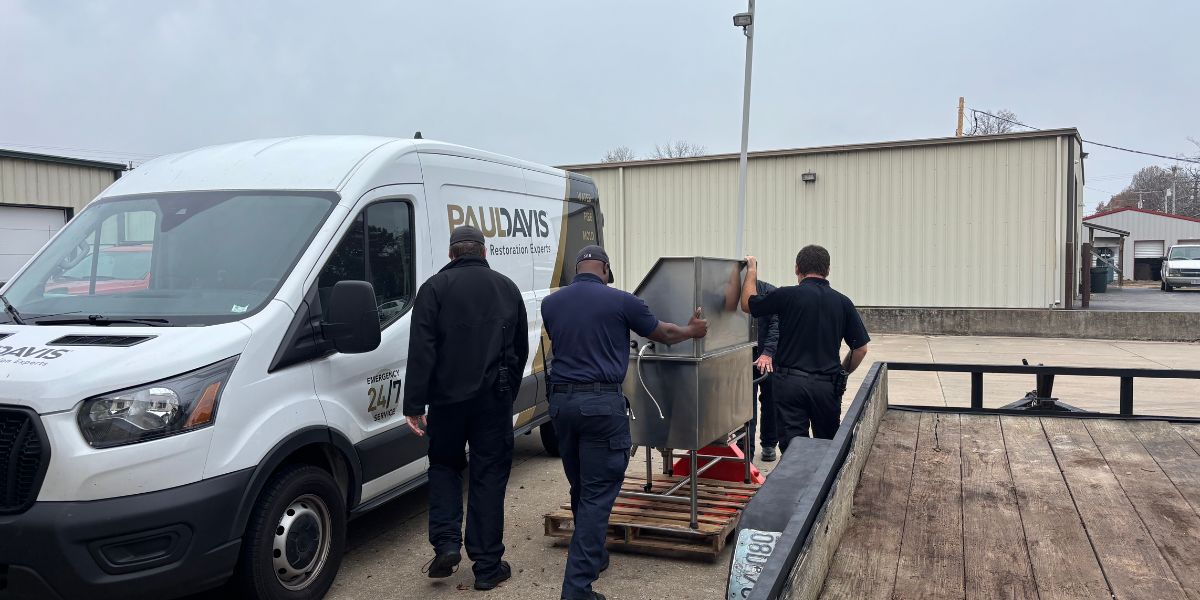
Restoring More Than Property After Fire, Water, Mold, and Storm Damage
When a home or business is hit by water intrusion, fire damage, mold growth, or severe weather, the visible damage is only part of the challenge. The disruption that follows can be just as overwhelming: unanswered questions, uncertain timelines, and the pressure of coordinating repairs while trying to keep life or operations moving forward.
Paul Davis Restoration of Southeast Missouri, Carbondale & Paducah was built to bring order to that chaos. Serving property owners across Southeast Missouri as well as the Carbondale and Paducah areas, the family-owned and operated team provides emergency mitigation, restoration, reconstruction, and remodeling services designed to help people recover quickly and confidently.
With 24/7 emergency service, free estimates, and certified training through the Institute of Inspection, Cleaning, and Restoration (IICRC), the company approaches each loss as more than a job to complete. It is a moment where clarity, steadiness, and craftsmanship matter, and where customers deserve a restoration partner that prioritizes people as much as process.
A Full-Service Restoration Partner From First Call to Final Walkthrough
Many restoration providers focus on a single phase of recovery, such as mitigation or cleanup. Paul Davis Restoration of Southeast Missouri, Carbondale & Paducah is structured to handle the full continuum, from immediate stabilization through complete rebuilding and finishing details.
That end-to-end model is designed to reduce handoffs and confusion. Customers work with a team that can coordinate emergency response, document the loss, manage the restoration plan, and carry the project through reconstruction. The result is a more seamless experience and a stronger sense of accountability from start to finish.
A major differentiator is communication. The company’s service model is built around proactive updates and plain-language explanations, so customers understand what is happening, what comes next, and why each step matters.
Rapid Response That Limits Secondary Damage
In the early hours after a loss, time is critical. Water can move into building materials, humidity can accelerate mold risk, and smoke or soot can spread beyond the original source. Paul Davis Restoration of Southeast Missouri, Carbondale & Paducah prioritizes rapid mobilization, aiming to connect with customers within 30 minutes of receiving a claim or request and coordinating on-site response within hours when urgent conditions exist.
Mitigation services may include water extraction and structural drying, smoke and soot cleanup, odor control, containment measures, and other immediate steps tailored to the property. The goal is to reduce additional damage while creating a clear plan for what recovery will look like.
Reconstruction and Remodeling Under One Coordinated Plan
Once the property is stabilized, many projects transition into reconstruction. Instead of sending customers to multiple contractors, Paul Davis Restoration of Southeast Missouri, Carbondale & Paducah can manage repairs, rebuilding, and even remodeling as part of one coordinated effort.
This continuity supports more consistent scheduling, fewer delays caused by vendor changes, and a reliable quality standard throughout the project. The team also provides workmanship assurances and warranty protection, reinforcing long-term confidence in the finished result.
Supporting Homeowners, Businesses, and Insurance Partners
Restoration is not one-size-fits-all. Paul Davis Restoration of Southeast Missouri, Carbondale & Paducah tailors the experience to meet the priorities of three key groups in the recovery process.
Peace of Mind for Homeowners
For homeowners, a loss often carries emotional weight. The company’s approach emphasizes compassion, respectful jobsite practices, and consistent communication so families can regain a sense of control. Clear timelines, straightforward explanations, and dependable craftsmanship help property owners move forward without feeling left in the dark.
Faster Recovery for Business Owners
For business owners, downtime can threaten revenue, staff stability, and customer trust. A fast response, coordinated project management, and end-to-end service help reduce interruptions and preserve the professional image customers expect. When appropriate, the company can also support proactive planning so organizations are better prepared for future disruptions.
A Streamlined Experience for Insurance Carriers and Adjusters
Insurance partners need reliable documentation, clear scopes, and steady customer satisfaction. Paul Davis Restoration of Southeast Missouri, Carbondale & Paducah supports smoother claims by providing organized documentation and transparent estimating that aligns with insurance standards. This reduces friction, helps claims move forward efficiently, and creates a better experience for policyholders.
Communication as a Core Service
In restoration, poor communication is one of the most common sources of frustration. Paul Davis Restoration of Southeast Missouri, Carbondale & Paducah addresses that issue directly with a commitment to over-communication, including a single point of contact, regular updates, and explanations that avoid unnecessary jargon.
Customer feedback reflects that focus on guidance and follow-through. One customer, Candance Hahn, described the experience in a way that aligns with the company’s mission to reduce stress during a difficult moment: “Looking for a service to help you when you are in need can be so stressful. Paul Davis Restoration of SEMO takes all that stress away. They will help you from start to finish.”
That type of response mirrors what the team aims to deliver every day: confident project leadership, clear answers, and a steady presence when property owners need it most.
Clear Estimates, Professional Standards, and Real Accountability
Trust is essential when repairs involve hidden spaces behind walls, under floors, or inside building systems. Paul Davis Restoration of Southeast Missouri, Carbondale & Paducah reinforces trust through training, documentation, and straightforward estimating practices.
The company uses standardized, insurance-approved pricing tools to create accurate estimates and reduce surprises. Combined with a free in-home estimate option and consultation support, customers gain visibility into scope, costs, and next steps early in the process.
The team’s commitment extends beyond paperwork. Professional service, workmanship assurances, and warranty coverage help ensure the restoration is completed to a high standard and supported after the final walkthrough.
Bridging the Opportunity Gap With Preparedness Planning
The restoration industry often moves fast, but speed alone does not solve the deeper needs customers face after a loss. Many property owners want clear communication and full accountability, and many businesses want more than a cleanup crew when operations are at risk.
Paul Davis Restoration of Southeast Missouri, Carbondale & Paducah bridges that gap by combining certified technical work with compassionate service and proactive planning. For commercial clients, emergency response planning support can help organizations clarify roles, strengthen readiness, and reduce the operational impact of future events.
How to Learn More and Follow Project Updates
Property owners who need emergency help or want to schedule an estimate can visit Paul Davis Restoration of Southeast Missouri, Carbondale & Paducah. For restoration insights, helpful guidance, and project updates, follow the company’s YouTube channel and its Instagram page.