Framing Your Reflection: Why HomeKode Backlit Mirrors are Trending Across Dubai

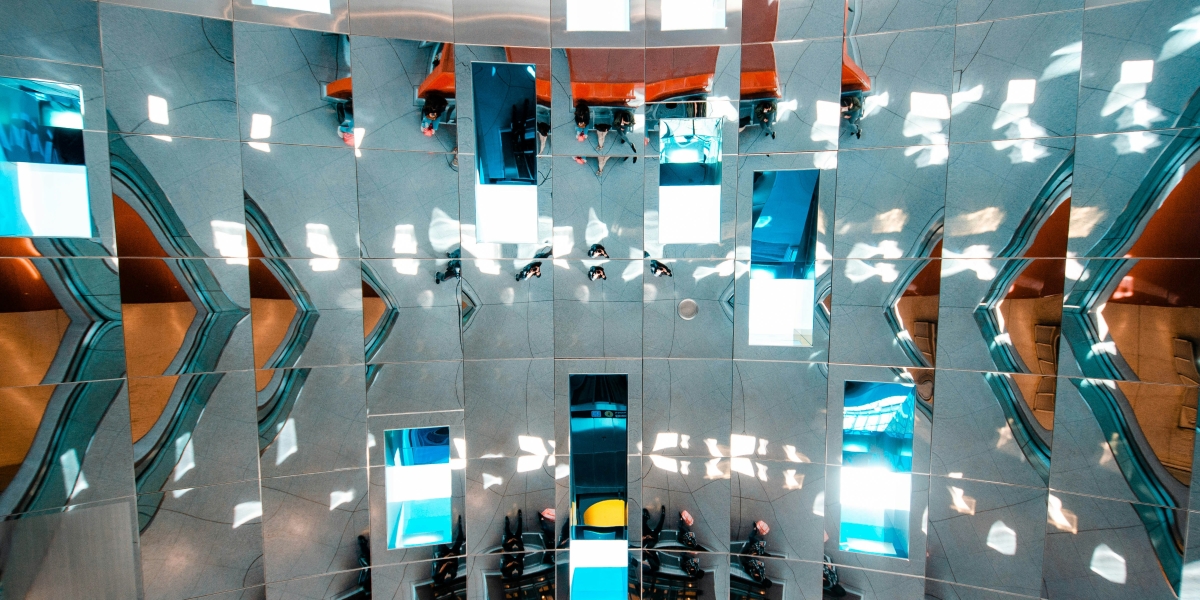
Introduction to Backlit Mirrors
Backlit mirrors have surged in popularity in recent years, particularly in cosmopolitan cities such as Dubai. These modern fixtures not only serve a functional purpose but also elevate the aesthetic appeal of any space they adorn. By incorporating lighting behind the mirror, these designs create a soft glow that enhances visibility while adding a luxurious feel to bathrooms, dressing rooms, and other personal spaces.
HomeKode has emerged as a frontrunner in the backlit mirror market, bringing innovation and style that resonate with the discerning tastes of Dubai residents. This blog post examines the reasons behind the trend, exploring both the practical benefits and aesthetic appeal of HomeKode backlit mirrors.
The Aesthetic Appeal of HomeKode Mirrors
The allure of HomeKode backlit mirrors lies significantly in their design versatility. Available in various shapes, sizes, and finishes, these mirrors can seamlessly integrate into a range of interior styles, from minimalist to opulent.
- Sleek Designs: HomeKode mirrors often feature sleek frames that lend a contemporary touch to any room.
- Customizable Features: Many models come equipped with customizable color temperatures and brightness levels, allowing users to tailor the ambiance according to their needs.
- Illuminated Edges: The soft halo effect created by the backlighting highlights the mirror’s edges, making it a striking focal point.
This combination of functionality and beauty makes HomeKode mirrors a popular choice for homeowners looking to enhance their interiors without sacrificing style.
Functionality Meets Style
Beyond aesthetics, HomeKode backlit mirrors bring numerous functional benefits that cater to modern living demands.
- Enhanced Visibility: The illumination provided by backlit mirrors ensures optimal lighting for grooming tasks such as applying makeup or shaving.
- Space Illusion: Strategically placed mirrors can create an illusion of space in smaller rooms, making them appear larger and more open.
- Versatile Use: These mirrors are suitable for various settings, including bathrooms, bedrooms, hallways, and even commercial spaces like salons and boutiques.
The combination of these functional aspects with sophisticated design makes HomeKode backlit mirrors an essential addition to any contemporary home.
How Backlit Mirrors Enhance Interior Spaces
One cannot underestimate the impact of proper lighting on interior design. HomeKode backlit mirrors offer unique lighting solutions that enhance the overall atmosphere of a room.
- Mood Lighting: The adjustable lighting options available with many HomeKode models allow users to set the mood for relaxation or energize their environment.
- Focal Points: A well-placed backlit mirror can serve as an eye-catching centerpiece in a room, drawing attention and enhancing visual interest.
- Complementing Color Schemes: The soft glow from these mirrors can complement existing color schemes in a room, adding depth and character without overwhelming other design elements.
By thoughtfully integrating backlit mirrors into an interior design plan, homeowners can significantly elevate their living spaces.
The Smart Technology Trend
With the rise of smart home technology, incorporating intelligent features into everyday items is becoming increasingly popular. HomeKode recognizes this trend by offering smart backlit mirrors equipped with advanced functionalities.
- Touch Sensor Controls: Many models include touch controls for easy operation, allowing users to adjust brightness without fumbling for switches.
- Defogging Features: Some HomeKode mirrors come with built-in defoggers that maintain clear reflections even after hot showers.
- Bluetooth Connectivity: A few high-end models allow users to connect their devices for music playback or voice commands through smart assistants.
The incorporation of technology into mirror designs not only enhances usability but also aligns with the modern lifestyle embraced by residents of Dubai.
Sustainability and Eco-Friendliness
As awareness around sustainability grows, consumers are increasingly seeking eco-friendly products for their homes. HomeKode has taken strides towards sustainable practices by using energy-efficient LED lighting in their backlit mirrors.
- Energy Efficiency: LED lights consume significantly less energy compared to traditional bulbs while offering longer lifespans.
- Sustainable Materials: Many HomeKode mirrors are crafted from sustainable materials, ensuring that customers can make environmentally conscious choices without sacrificing quality.
- Recyclable Components: The brand emphasizes using recyclable materials in its products, minimizing environmental impact when it comes time for disposal or replacement.
Choosing a HomeKode mirror allows consumers to indulge in luxury while remaining mindful of their ecological footprint.
The Growing Popularity in Dubai
Dubai’s rapidly evolving real estate market has seen an increasing demand for innovative home decor solutions like backlit mirrors from brands like HomeKode.
- Luxury Market Trends: As luxury living becomes synonymous with Dubai’s identity, homeowners are gravitating toward high-end decor items that reflect sophistication.
- Architectural Innovations: New developments often feature modern designs that complement contemporary fixtures such as backlit mirrors.
- Social Media Influence: Platforms like Instagram have fueled the popularity of visually striking interior designs, prompting homeowners to invest in statement pieces like those offered by HomeKode.
This alignment with local trends contributes significantly to the growing demand for HomeKode backlit mirrors among Dubai’s residents.
Customer Testimonials and Experiences
Customer feedback plays an essential role in understanding the value offered by any product line, including those from HomeKode.
- Positive User Experiences: Many customers report that their daily routines have improved due to enhanced lighting conditions provided by these mirrors.
- Design Compliments: Numerous testimonials highlight how guests frequently compliment the elegance added by HomeKode mirrors during social gatherings.
- Durability and Performance: Users appreciate that these products not only look good but also perform exceptionally well over time without requiring frequent maintenance or replacement.
These insights showcase how investing in a quality mirror from HomeKode can transform everyday experiences into something extraordinary.
Investing in Quality with HomeKode
When purchasing home decor items, quality should always be at the forefront of consumer concerns. Choosing a reputable brand like HomeKode ensures that you receive superior craftsmanship alongside innovative design features.
- Longevity: High-quality materials used in production promise durability over time, reducing long-term replacement costs.
- Warranty Options: Many models come with warranties that protect against manufacturing defects, giving buyers peace of mind regarding their investment.
- Expert Craftsmanship: Each mirror is meticulously designed and crafted by professionals who prioritize both aesthetics and functionality.
By investing in a HomeKode backlit mirror, customers can rest assured they are making a wise choice that enhances both their living space and lifestyle.
Final Thoughts on Reflections and Style
Incorporating a backlit mirror from HomeKode into your home is more than just an aesthetic enhancement; it is a lifestyle upgrade that combines beauty with practicality. As trends continue to evolve within Dubai’s vibrant design landscape, these mirrors stand out as essential elements that reflect both personal style and innovative technology.
Whether you are looking to improve your daily grooming routine or simply add a touch of luxury to your interiors, exploring what HomeKode offers could be one of your best decisions yet. With its blend of functionality, style, and sustainability, this trend is not just about following fashion; it’s about creating spaces where you truly feel at home—reflecting your unique personality every step of the way.