Nintendo Switch Sales Surpass DS in Global Console Total

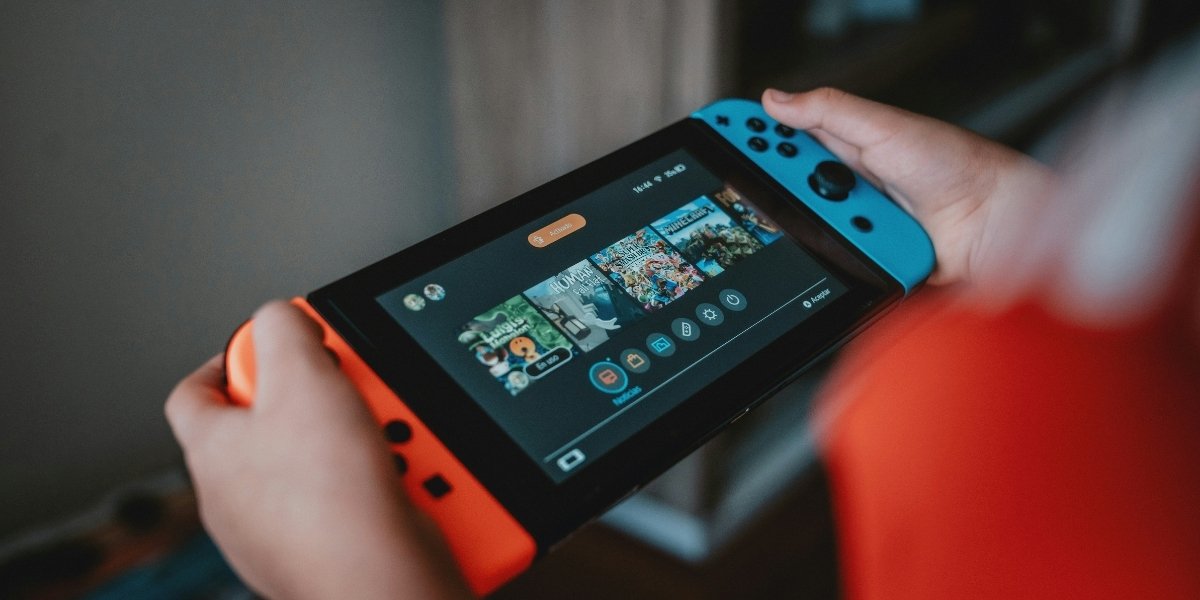
Nintendo has reached a significant milestone with the Nintendo Switch officially surpassing the Nintendo DS in global lifetime sales. As of December 31, 2025, the Switch has sold 155.37 million units, surpassing the DS’s lifetime total of 154.02 million units. This marks the Switch as Nintendo’s most successful console to date and places it second overall in global console rankings, behind Sony’s PlayStation 2, which remains the top-selling console in history.
The announcement was made as part of Nintendo’s year-end financial results for 2025, confirming that the Switch’s remarkable sales trajectory has solidified its place as the company’s most popular gaming system. This achievement highlights not only the Switch’s broad appeal but also its lasting impact on the gaming industry.
A Milestone Nearly Nine Years in the Making
Launched in March 2017, the Nintendo Switch brought with it a groundbreaking hybrid design that allowed players to seamlessly switch between handheld and docked modes. This innovative feature proved to be a defining factor in the console’s success, offering flexibility that appealed to both casual and dedicated gamers alike. Over nearly nine years, the Switch maintained strong sales momentum, buoyed by refreshed hardware models such as the Switch Lite and the OLED model.
The DS, which debuted in 2004, had long held the record as Nintendo’s best-selling console. Its dual-screen design and expansive library of titles helped the DS become a cultural phenomenon, especially in its early years. However, the Switch’s ability to combine portable gaming with the experience of home console gaming allowed it to carve out its own space in a rapidly evolving market, ultimately surpassing the DS.
Nintendo’s Strategy: The Power of First-Party Games
A significant factor in the Switch’s success has been Nintendo’s renowned library of first-party games. Titles like The Legend of Zelda: Breath of the Wild, Animal Crossing: New Horizons, Mario Kart 8 Deluxe, and Super Smash Bros. Ultimate have resonated with players worldwide, driving sales and maintaining the console’s strong appeal across diverse demographics.
Animal Crossing: New Horizons, in particular, became a cultural touchstone during the COVID-19 pandemic, offering players a virtual escape and a sense of community in times of isolation. The game’s success not only contributed to the Switch’s sales but also reinforced Nintendo’s ability to create experiences that transcend traditional gaming. These first-party games have proven to be essential in ensuring the Switch’s sustained success, keeping players engaged and attracting new users to the platform.
Switch’s Global Impact and Accessibility
While the Switch’s sales numbers are impressive, the console’s impact extends beyond the numbers. Its portability has redefined how people engage with gaming. The Switch allowed players to take their games on the go, whether commuting, traveling, or simply spending time with friends and family. Its hybrid nature meant that gaming could be enjoyed in a way that suited the user’s lifestyle, whether at home or on the move.
In contrast to consoles like the PlayStation 5 and Xbox Series X|S, which focus heavily on raw performance and cutting-edge technology, the Switch has thrived by offering accessibility. The system’s design makes it appealing to a wide range of people, from dedicated gamers to casual players. The Switch has succeeded in fostering social gaming experiences, positioning itself as a console that families, friends, and communities can enjoy together.
The Future of Nintendo: Transition to Switch 2
As Nintendo celebrates the success of the Switch, attention is also turning toward the future with the introduction of the Switch 2. Launched in 2025, the Switch 2 has already made a strong debut, with 17.37 million units sold in its first year. These figures suggest that the Switch 2 is off to a promising start, outpacing the Wii U’s lifetime sales in just a fraction of the time.
However, the launch of the Switch 2 also brings new challenges for Nintendo. As the company moves forward with its next-generation hardware, it must balance the continued support for the original Switch while promoting its successor. Given the Switch’s nearly nine-year lifespan and its status as Nintendo’s most successful console, managing consumer expectations for the Switch 2 will be crucial. The company must ensure a smooth transition for its user base, as the legacy of the original Switch has set a high bar for its successor.
Nintendo Switch’s Lasting Legacy
The Switch’s surpassing of the DS is a milestone that not only underscores Nintendo’s enduring success but also highlights the broader trends in the gaming industry. With global gaming becoming more diverse and inclusive, the Switch’s hybrid nature and accessibility made it a perfect fit for an increasingly global audience. Its ability to bridge the gap between traditional home consoles and portable gaming allowed it to cater to a wide variety of gaming preferences, making it a game-changer in terms of console design.
The success of the Switch also speaks to the importance of accessibility in gaming. By offering a console that fits seamlessly into people’s everyday lives, Nintendo expanded its reach to new audiences who may not have been as inclined to engage with more traditional gaming systems. This broadening of the gaming demographic helped redefine the role of consoles in modern entertainment, solidifying the Switch as a defining product of the 21st century.
While the release of the Switch 2 represents a new chapter for Nintendo, the Switch’s legacy will remain influential in shaping the future of gaming consoles. Its ability to appeal to a wide range of players, create meaningful gaming experiences, and foster shared moments of enjoyment will continue to resonate for years to come.