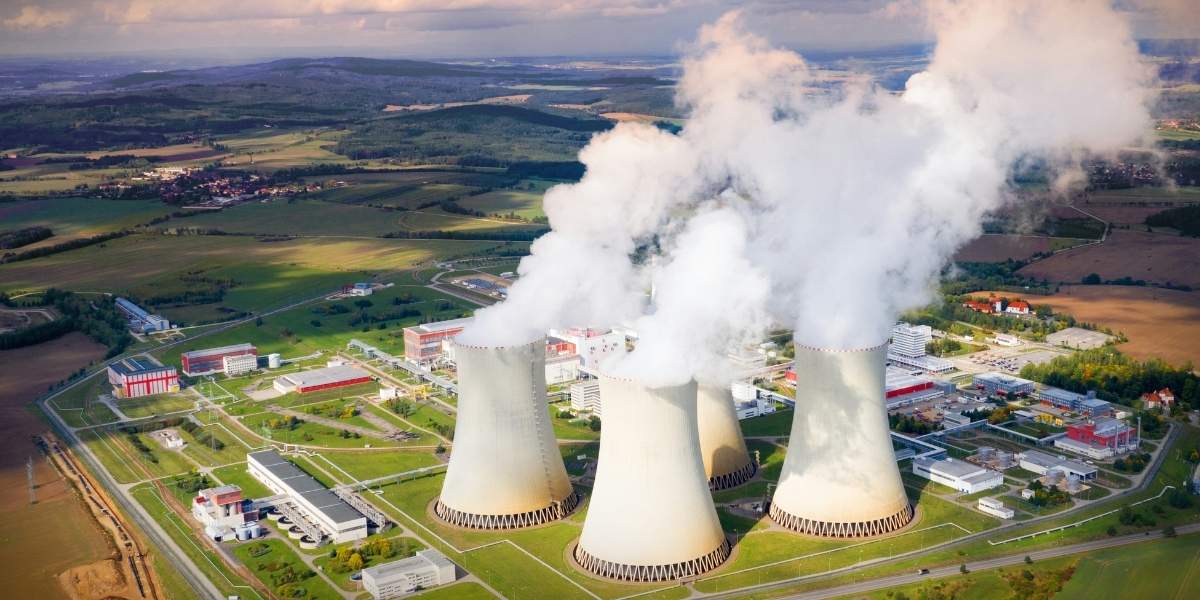
Report Shows US Carbon Emissions Climbed Despite Prior Reductions

A recent report reveals that U.S. carbon emissions rose in 2025, marking a significant reversal after several years of reductions. According to the Rhodium Group, emissions climbed by 2.4 percent compared to the previous year, outpacing economic growth and highlighting challenges in maintaining environmental efficiency. This rise underscores how volatile factors, like weather patterns and energy market fluctuations, can undermine progress in the fight against climate change.

The study identifies multiple contributors to the increase. A colder-than-usual winter led to higher heating demands, and rising natural gas prices pushed utilities to rely more heavily on coal, a higher-emission fuel. Additionally, growing electricity demand from data centers and cryptocurrency mining placed further strain on energy systems. This combination of factors has raised concerns about the future trajectory of U.S. emissions, especially as the nation continues to work toward ambitious climate targets.

For policymakers, the report serves as a stark reminder of the difficulties in balancing economic growth with environmental sustainability. It highlights that while progress in reducing emissions is possible, it requires constant attention and adaptation to evolving circumstances. The 2025 increase in emissions indicates that the path to long-term climate goals may be more fragile than previously anticipated.

Key Drivers Behind the Emissions Increase

Weather conditions played a major role in the emissions increase, particularly due to a colder winter that resulted in higher energy consumption for heating. This seasonal change led to a rise in emissions from residential and commercial buildings, which are heavily dependent on fossil fuels for heating. Cold weather tends to have a significant impact on energy demand, making it one of the key factors in emissions spikes.

Energy markets also had a significant influence. As natural gas prices surged, utilities found coal to be a more cost-effective alternative, reversing some of the progress made in transitioning to cleaner energy sources. This reliance on coal, which emits higher levels of carbon dioxide, contributed to the overall emissions increase seen in 2025.

The surge in demand for electricity from data centers, driven by the rapid growth of artificial intelligence and cryptocurrency mining, further compounded the issue. These energy-intensive industries are now major consumers of electricity, and their expansion has become a new source of emissions that complicates efforts to reduce the carbon footprint of the tech industry.

Sectoral Breakdown of Emissions Impact

The power sector experienced the most significant shift, with utilities turning back to coal due to rising natural gas prices. Coal is much more carbon-intensive than natural gas or renewable energy sources, making its increased use a key factor in the overall emissions rise. This trend is concerning for long-term climate efforts, as it undermines previous advancements in cleaner energy.

Buildings also contributed to the rise in emissions, driven largely by increased heating demand during the colder winter months. This seasonal demand highlights how temperature fluctuations can significantly impact emissions levels, particularly in colder regions where heating is reliant on fossil fuels.

The transportation sector also saw a modest increase in emissions, though its growth was less pronounced compared to other sectors. While vehicle efficiency has improved, the overall demand for travel and freight remains high, ensuring that transportation continues to be a significant source of carbon pollution.

Digital Growth and Its Environmental Costs

The rapid expansion of data centers has become a notable factor in the increase in U.S. carbon emissions. As demand for digital services, such as artificial intelligence and cryptocurrency mining, grows, so does the energy consumption of the data centers that power these technologies. The increasing electricity demand from these sectors has raised concerns about the long-term sustainability of the digital economy.

Data centers are essential to modern digital infrastructure, but their energy consumption presents a growing challenge for sustainability efforts. As these centers proliferate, they contribute to an increase in electricity demand, which in turn drives higher emissions if the energy source is not renewable. Addressing the emissions from this sector will be a crucial part of the U.S. strategy to meet its climate goals.

While many data centers are adopting more energy-efficient technologies and exploring renewable energy options, the rapid growth of digital infrastructure suggests that emissions from this sector will continue to rise unless more aggressive measures are taken to curb their environmental impact.

The Challenge of Meeting Climate Goals

The U.S. has committed to reducing emissions by 50 to 52 percent below 2005 levels by 2030. However, the increase in carbon emissions in 2025 makes achieving this target more challenging. Although significant progress has been made in reducing emissions over the past decade, the 2025 increase indicates that unforeseen factors, such as weather events and market dynamics, can quickly reverse progress.

The report suggests that stronger measures may be needed to meet the 2030 target. Renewable energy expansion and improved grid management will be essential, but new strategies will be required to address emerging sources of demand, such as the growing energy consumption of data centers. Efficiency gains alone may not be enough to counteract these challenges.

Climate progress will depend on sustained effort and innovation across various sectors. The 2025 emissions rise is a reminder that achieving long-term climate goals will require a combination of technological solutions, policy action, and changes in consumer behavior.


World Economic Forum Report Shows Global Push for Cyber Regulation

The World Economic Forum’s latest Global Cybersecurity Outlook reveals a significant shift in the priorities of business leaders. Cyber-enabled fraud has now overtaken ransomware as the top concern among executives worldwide. The report emphasizes how digital threats, particularly fraud, are reshaping global conversations about cyber regulation and resilience.

Executives surveyed in the report expressed a strong preference for clearer, harmonized cyber regulations. Many see such regulations as essential for establishing baseline protections while reducing the complexities posed by fragmented global responses. The report highlights how industries are coming to a consensus on the need for coordinated action.

The timing of the report aligns with growing concerns about the risks posed by artificial intelligence (AI). As AI technologies continue to evolve, executives are increasingly focused on how AI can both enhance cybersecurity defenses and exacerbate cyber threats. Many believe that effective regulation could help balance innovation with accountability in this rapidly changing landscape.

Cyber-Enabled Fraud Takes Center Stage

Historically, ransomware has dominated headlines as the most pressing cyber threat. However, the latest report shows that cyber-enabled fraud has surpassed ransomware in terms of scale and impact. Nearly three-quarters of executives reported direct or indirect experience with fraud in 2025, highlighting the widespread vulnerability to these attacks.

Cyber-enabled fraud often exploits both human and technical vulnerabilities. Social engineering, phishing, and identity theft are becoming more sophisticated, particularly with the rise of AI tools. These developments have led to a growing call for stronger safeguards and regulatory frameworks.

Executives see cyber regulation as a key mechanism to standardize responses to fraud. By mandating reporting and accountability, regulation could help close the gap between attackers and defenders, making it more difficult for fraudsters to operate unchecked. As a result, the push for cyber regulation is seen as both a business necessity and a way to protect society at large.

Growing Support for Global Cyber Regulation

The World Economic Forum’s findings reflect broad support for cyber regulation across different regions, including Asia, Europe, and North America. Industry leaders from these areas emphasized the need for coherent and unified regulatory frameworks to address the growing threats in cyberspace. Fragmented rules across borders, they argue, hinder response times and raise compliance costs for businesses.

The report points out that there is especially strong support for regulations targeting cyber fraud, AI misuse, and supply-chain transparency. Executives are calling for frameworks that facilitate data sharing and set baseline controls to better protect organizations. The consensus is clear: harmonized standards would help improve enforcement and collaboration against transnational cybercriminals.

Public-private partnerships are also emphasized as essential for effective cyber regulation. Leaders agree that regulation must be paired with workforce development and threat intelligence sharing to be most effective. The combination of regulation and capacity-building is seen as a more sustainable approach to tackling cyber threats.

The Supply Chain Challenge

A growing area of concern in the cybersecurity landscape is the vulnerability of software supply chains. Executives have warned that concentration risks and hidden dependencies within these chains can amplify the impact of cyberattacks, leading to systemic failures. To address these issues, transparency and accountability in the supply chain are viewed as essential for restoring trust.

Proposed regulatory measures include standardized vendor attestations and third-party risk audits, which would help organizations identify vulnerabilities before they escalate into major incidents. These steps aim to strengthen supply chain security by ensuring that all parties in the chain are held accountable for cybersecurity practices.

The concern over supply chains reflects broader anxieties about the interconnectedness of global systems. As businesses rely more on networks of vendors, the potential for cascading failures grows. Cyber regulation is seen as a tool to manage and mitigate these risks.

Balancing Innovation and Regulation

While the need for cyber regulation is widely recognized, executives also stress the importance of preserving innovation in the cybersecurity space. AI technologies are playing a transformative role in both offensive and defensive cybersecurity strategies. Executives want regulations that address misuse without stifling advancements that can enhance cybersecurity defenses.

The report highlights that while AI can accelerate threat detection and response, it also enables more complex and faster attacks. Regulation, they argue, is needed to ensure that AI is deployed responsibly, without compromising security or innovation. The goal is to create a regulatory environment that fosters growth while mitigating risks.

Other innovations, such as immersive audio and virtual environments, are also reshaping the cybersecurity landscape. As new technologies emerge, the challenge will be to create flexible and forward-thinking frameworks that can adapt to these advancements.

Cyber Regulation’s Future Role in Cybersecurity

The World Economic Forum’s report signals a turning point for the future of cybersecurity. With growing global support for regulation, momentum is building toward comprehensive action. Leaders are calling for regulatory frameworks that are practical, coherent, and aligned across borders.

Early priorities are expected to include harmonizing incident reporting, addressing AI risk governance, and strengthening supply-chain security. Cyber regulation will be crucial in shaping the direction of global cybersecurity efforts, helping businesses and governments respond more effectively to emerging threats.

As the industry adapts to these new realities, the push for regulation will play a key role in ensuring the resilience of digital systems. The future of cybersecurity will not only be defined by technological advancements but also by the regulatory frameworks that help manage those innovations. The combination of strategic regulation and technological evolution will be essential to safeguarding the digital world.

AI Hiring Expansion Puts Spotlight on Human Skills Beyond Automation

Artificial intelligence (AI) is reshaping the hiring process as companies expand its role in recruitment. From screening resumes to automating interview scheduling, AI systems are now managing tasks that were once handled by human recruiters. This shift is prompting organizations to rethink which roles truly require human involvement.

As AI technology improves, executives are increasingly questioning whether positions that have traditionally required a human touch can be automated. This shift not only aims to improve efficiency but also reflects the growing capabilities of AI platforms. The result is a hiring process that now begins with proving why a human should be involved.

For job seekers, this shift presents new challenges. They must demonstrate not only their qualifications but also the unique value they bring to the table beyond what AI can replicate. The hiring process is becoming a test of human distinctiveness and the abilities that machines cannot mimic.

The Rise of AI in Recruitment

AI tools are transforming recruitment by conducting initial screenings with speed and precision. Algorithms can now analyze thousands of resumes in seconds, identifying matches based on key skills, experience, and qualifications. This efficiency has streamlined the early stages of hiring, allowing companies to quickly narrow down their candidate pool.

Voice-enabled AI has also advanced significantly, allowing systems to conduct candidate interviews. These platforms can ask questions, interpret responses, and provide assessments, reducing the time spent on routine interactions. However, human oversight remains a critical part of the process to ensure the quality and fairness of the assessments.

Companies are increasingly viewing AI as a tool to streamline recruitment and reduce costs. While this offers efficiency, it also raises concerns about fairness, bias, and the limitations of automation in addressing the nuances of human interaction. These concerns underscore the challenges that come with relying heavily on AI for hiring.

Human Skills in Focus

As AI takes on more tasks, human skills are becoming even more important. While AI excels at processing data and performing repetitive tasks, qualities like creativity, emotional intelligence, and complex problem-solving remain beyond its capabilities. Employers are increasingly emphasizing these human traits when considering candidates for roles that involve leadership, decision-making, and interpersonal interactions.

AI Hiring Expansion Puts Spotlight on Human Skills Beyond Automation

Photo Credit: Unsplash.com

Leadership and the ability to align with a company’s values are also critical factors that AI cannot replicate. While AI can assess qualifications and analyze data, it cannot inspire teams or build trust within an organization. These elements require human judgment and presence, which remain vital in the hiring process.

The shift toward automation has heightened the value placed on adaptability, empathy, and creativity. Candidates who can demonstrate these qualities are becoming more sought-after, as employers recognize the irreplaceable nature of human interaction in many roles.

Challenges for Employers

Employers are facing the challenge of balancing automation with human oversight. While AI offers significant efficiency, it cannot fully replace the nuances of human decision-making, especially when it comes to understanding the complexities of individual candidates and organizational culture. Companies must design systems that integrate both automated and human-driven elements to create a more effective recruitment process.

Bias in AI algorithms is another ongoing concern. If not carefully managed, AI systems can perpetuate existing biases present in training data, leading to unfair outcomes. Employers must ensure that their hiring processes remain transparent and fair, regularly auditing AI tools to prevent discrimination.

The rise of AI in hiring also raises questions about employee trust. Workers may fear being replaced by automation, leading to concerns about job security. Open communication about the role of AI and reassurance that human skills will remain central to many positions are crucial in maintaining a positive work environment.

The Candidate Experience

The integration of AI into recruitment introduces new dynamics for candidates. Automated screening processes can feel impersonal, leaving applicants uncertain about how their responses are being interpreted. While AI is efficient, human interaction remains important for building rapport and confidence during the application process.

As a result, job seekers are adapting by highlighting skills that AI cannot replicate, such as leadership experience, creative thinking, and emotional intelligence. Candidates are emphasizing their ability to connect with others, think critically, and solve complex problems—qualities that are highly valued by employers but remain outside the scope of AI’s capabilities.

The candidate experience now combines technology and human connection. Applicants navigate automated systems while seeking opportunities to showcase their unique value. This evolving recruitment process reflects the increasing influence of technology in hiring while underscoring the need for human qualities in the workplace.

AI in Hiring: Looking Ahead

The role of AI in hiring is set to expand even further as companies refine their recruitment systems. With improvements in AI technology, more tasks will be automated, making hiring processes more efficient. However, employers will continue to face the challenge of balancing automation with the human qualities that are essential for long-term success.

For companies, the key to success will be harnessing AI’s capabilities while recognizing the strengths of human employees. While AI can improve efficiency and streamline processes, human skills such as creativity, leadership, and emotional intelligence will continue to be indispensable in many roles.

As AI continues to play a larger role in hiring, candidates will need to adapt by emphasizing the unique qualities that make them stand out in a world increasingly dominated by automation. The future of recruitment will likely be a blend of both technological advancements and human interaction, creating a hiring landscape that values both efficiency and empathy.

Women Entrepreneurs and the Challenge in Access to Funding

Despite the growing number of women entrepreneurs globally, challenges in accessing funding remain a significant barrier to their success. Numerous factors, from gender bias in investment to the underrepresentation of women in venture capital networks, contribute to the financing gap. In this article, we explore the key obstacles women entrepreneurs face in securing funding and highlight potential solutions to these barriers.

Gender Bias in Investment

One of the most pervasive issues women entrepreneurs face when seeking funding is gender bias. Studies have shown that women are often held to different standards than men when pitching to investors. Male entrepreneurs are frequently asked growth-oriented questions, while women are questioned more about risk and the potential downsides of their ventures. This bias limits the amount of capital women can raise, making it more difficult for them to scale their businesses as quickly as their male counterparts.

Additionally, a lack of diversity in investment firms contributes to the problem. With most investors being male, unconscious bias often influences decisions about which businesses receive funding. This creates a cycle where women are systematically underfunded and undervalued in the entrepreneurial ecosystem.

Lack of Networks and Mentorship

Access to strong networks and mentorship is another critical factor in securing funding, and many women entrepreneurs lack access to these resources. Networks play a vital role in connecting entrepreneurs with potential investors, advisors, and other business leaders. Women, especially those in male-dominated industries, often face barriers in breaking into these circles. Without the right connections, securing meetings with investors becomes more challenging.

Mentorship is equally important, as experienced advisors can provide guidance on how to craft compelling pitches, develop business strategies, and navigate the complexities of fundraising. Unfortunately, women entrepreneurs often have limited access to mentors who understand the unique challenges they face in the business world.

Over-Reliance on Personal Savings

Due to the difficulties in securing external funding, many women entrepreneurs rely heavily on personal savings to start and grow their businesses. While self-funding can provide initial flexibility, it limits the growth potential of a business and puts personal finances at risk. Without access to adequate capital, women entrepreneurs are often forced to scale their operations more slowly than they would like, which can hinder their ability to compete in their industries.

The reliance on personal savings also exacerbates existing financial inequalities, as women, on average, have less personal wealth than men. This funding gap reinforces broader economic disparities between male- and female-owned businesses.

Difficulty in Securing Venture Capital

Women entrepreneurs face significant challenges in accessing venture capital (VC) funding. Despite the growing awareness of gender disparity in VC investments, women-led startups receive only a fraction of the total VC funding available. In 2022, less than 3% of VC funding went to companies with female founders. The underrepresentation of women in VC-backed companies limits their ability to scale rapidly and tap into high-growth opportunities.

Women Entrepreneurs and the Challenge in Access to Funding

Photo Credit: Unsplash.com

The scarcity of women investors in venture capital firms compounds this issue. Women-led VC firms and funds that specifically focus on funding female entrepreneurs are gaining traction, but they still represent a small portion of the industry​.

Funding for Minority Women Entrepreneurs

Minority women entrepreneurs, particularly Black and Hispanic women, face even greater challenges in accessing funding. Despite being the fastest-growing demographic of business owners in the U.S., minority women are often overlooked by traditional financial institutions and investors. The intersection of gender and racial bias makes it harder for these entrepreneurs to secure the capital they need to grow their businesses.

Initiatives such as grants and loans specifically targeting minority women entrepreneurs are gaining attention, but more systemic changes are needed to address the structural barriers that prevent equitable access to funding.

Small Business Loans vs. Angel Investors

While venture capital is often out of reach for many women entrepreneurs, small business loans and angel investment networks offer alternative funding options. Small business loans, though helpful, can be difficult to secure without a strong credit history or collateral, which many new entrepreneurs lack. Angel investors, on the other hand, tend to be more flexible and willing to invest in early-stage companies. However, women still face challenges in accessing these networks, often due to the same gender biases present in the broader investment landscape​.

Government Grants and Support Programs

Government grants and support programs are crucial in providing women entrepreneurs with access to capital. Many countries have introduced initiatives aimed at fostering female entrepreneurship by offering grants, tax incentives, and low-interest loans. These programs can help level the playing field for women who may not have access to traditional funding sources.

For instance, programs like the U.S. Small Business Administration’s (SBA) Women-Owned Small Business (WOSB) certification provide opportunities for women to compete for government contracts and funding. However, awareness of these programs remains low, and navigating the application process can be complex.

The Role of Crowdfunding

Crowdfunding has emerged as a powerful tool for women entrepreneurs to raise capital outside traditional funding channels. Platforms like Kickstarter, Indiegogo, and GoFundMe enable entrepreneurs to reach a broad audience and secure funding directly from consumers. Crowdfunding can be particularly effective for women-led businesses, as it allows them to bypass traditional gatekeepers like banks and VCs.

Women are generally more successful than men at raising funds through crowdfunding, possibly due to the direct engagement with consumers and the ability to tell compelling stories that resonate with backers. As more women entrepreneurs turn to crowdfunding, it is becoming a viable alternative to traditional forms of funding​.

The challenges women entrepreneurs face in accessing funding are multifaceted, ranging from gender bias to lack of mentorship and over-reliance on personal savings. While initiatives like government grants and crowdfunding are helping to bridge the gap, systemic changes are still needed to ensure women have equal opportunities to secure the capital they need to grow their businesses. By addressing these barriers and promoting diversity in investment, the entrepreneurial ecosystem can become more inclusive and equitable for all.

Empathy-Driven Leadership: How Women Are Revolutionizing the Workforce

Empathy-driven leadership is changing how organizations operate, and women are leading the way. Across industries, female leaders are bringing emotional intelligence, adaptability, and inclusive thinking into decision-making, reshaping workplace culture and driving meaningful progress.

This shift isn’t just philosophical. It’s practical. Empathy-driven leadership is improving retention, boosting morale, and helping teams navigate uncertainty with resilience. And as more women step into senior roles, they’re proving that understanding people isn’t a soft skill, it’s a strategic advantage.

Why Empathy Is Reshaping Leadership Norms

Traditional leadership models often emphasized control, hierarchy, and decisiveness. While those traits still matter, they’re no longer enough. Today’s workforce expects leaders to listen, adapt, and respond with humanity. Empathy allows leaders to understand the experiences of their teams, anticipate challenges, and create environments where people feel safe to contribute.

Women tend to excel in these areas. Studies show that female leaders often score higher in emotional intelligence, collaboration, and conflict resolution. These strengths translate into stronger team dynamics, better communication, and more inclusive decision-making.

In high-pressure environments, empathy helps leaders recognize burnout, address interpersonal tensions, and support mental well-being. It’s not about being soft, it’s about being attuned. And that attunement leads to better outcomes across the board.

Women Leading with Empathy Across Industries

The impact of empathy-driven leadership is visible in how women are transforming workplace norms. In healthcare, education, finance, and tech, female executives are introducing policies that prioritize flexibility, transparency, and psychological safety. These changes aren’t just good for employees, they’re good for business.

A senior leader in a national healthcare organization recently implemented a listening tour, meeting with frontline staff to understand their challenges. The feedback led to changes in scheduling, communication protocols, and support services, all of which improved patient care and staff satisfaction.

In the tech sector, a product manager led her team through a major platform overhaul by focusing on emotional check-ins and collaborative problem-solving. The result wasn’t just a successful launch, it was a team that felt heard, respected, and motivated to innovate.

In retail, a regional director introduced a mentorship program for store managers, pairing them with experienced leaders who could offer guidance not just on operations, but on managing stress and building team morale. The program led to a measurable drop in turnover and a boost in customer satisfaction scores.

These examples reflect a broader trend: women are using empathy to lead with clarity and purpose, not just charisma. They’re showing that understanding people is essential to understanding business.

Practical Tips for Empathy-Driven Leadership

Empathy isn’t just a trait, it’s a practice. Here are a few ways leaders can apply it in everyday decision-making:

  • Hold regular one-on-one check-ins that go beyond performance metrics. Ask about workload, stress levels, and support needs.
  • Use anonymous feedback tools to surface concerns that employees may hesitate to voice directly.
  • Model vulnerability by sharing challenges and lessons learned. This builds trust and encourages openness.
  • Create flexible policies that recognize different life circumstances, such as caregiving responsibilities or health needs.
  • Celebrate small wins and personal milestones to show appreciation and build morale.

These practices don’t require major resources, they require intention. And when applied consistently, they help build a culture where empathy is embedded in every layer of leadership.

Navigating Modern Work Environments with Empathy

Empathy-driven leadership is especially powerful in today’s fast-changing work landscape. Remote work, hybrid schedules, and digital collaboration have introduced new complexities. Leaders must now manage teams across time zones, technologies, and personal circumstances.

Women are rising to this challenge by embracing flexibility and continuous learning. As explored in this guide to navigating the modern work environment, successful female professionals are staying agile by building strong networks, advocating for themselves, and prioritizing work-life balance.

One executive in a global consulting firm restructured her team’s weekly meetings to include a rotating “wellness check” segment, where team members could share how they were feeling and what support they needed. This simple change led to more honest conversations and fewer missed deadlines.

Empathy-Driven Leadership How Women Are Revolutionizing the Workforce

Photo Credit: Unsplash.com

Another leader in a startup environment introduced asynchronous work options for employees juggling caregiving duties. By allowing team members to contribute on their own schedules, she maintained productivity while reducing stress and absenteeism.

Empathy also plays a role in how leaders manage change. Whether it’s rolling out a new policy or responding to a crisis, empathetic leaders take time to understand how decisions affect people. They communicate with transparency, invite input, and adjust course when needed. That responsiveness builds trust, and trust builds resilience.

Women Making Gains in Senior Leadership Roles

Empathy isn’t just influencing how women lead, it’s influencing how they rise. More women are entering senior leadership roles, and their approach is reshaping what those roles look like. As highlighted in this overview of women’s progress in leadership, women now hold nearly a third of C-suite positions, with gains in both staff and line roles.

This progress reflects a growing recognition that diverse leadership drives better outcomes. Companies with empathetic, inclusive leaders tend to outperform their peers in innovation, employee engagement, and long-term growth. Investors are taking notice, and organizations are responding by prioritizing diversity, equity, and inclusion in their leadership pipelines.

Remote work has also played a role. By offering flexibility and reducing barriers, it’s helped women balance professional and personal responsibilities more effectively. That balance allows them to pursue leadership opportunities without sacrificing well-being, a shift that’s changing the face of executive leadership.

Still, challenges remain. Women continue to face systemic barriers, especially in industries where leadership is tied to technical expertise or revenue-generating roles. But empathy-driven leadership is helping to break those barriers by redefining what success looks like. It’s no longer just about numbers, it’s about impact.

Empathy as a Long-Term Strategy

Empathy-driven leadership isn’t a trend, it’s a long-term strategy. As organizations navigate economic shifts, technological disruption, and evolving employee expectations, leaders who understand and connect with their teams will be better equipped to adapt.

Women are leading this shift by showing that empathy and effectiveness go hand in hand. They’re building cultures of trust, driving innovation through collaboration, and making decisions that reflect both business goals and human needs.

This approach doesn’t just benefit employees, it benefits organizations. Teams led by empathetic leaders are more engaged, more creative, and more loyal. They’re willing to take risks, share ideas, and support each other through challenges. That kind of environment leads to sustainable success.

In a workforce that’s more diverse, more digital, and more dynamic than ever, empathy-driven leadership isn’t optional, it’s essential. And women are showing how it’s done.

How the Retail Landscape Innovated with Lean Management

Lean management has reshaped the U.S. retail landscape by streamlining operations, reducing waste, and driving innovation across supply chains, customer experience, and global expansion. Retailers that adopt lean principles are building more agile, scalable, and customer-centric businesses, while founders and operators are discovering that lean isn’t just a methodology, it’s a mindset for growth.

Originally developed for manufacturing, lean management focuses on eliminating inefficiencies and maximizing value. In retail, where margins are tight and consumer expectations shift rapidly, lean has become a strategic imperative. From inventory optimization to omnichannel fulfillment, lean thinking is helping retailers rethink how they operate, compete, and expand.

Lean Principles Meet Retail Complexity

Retail is inherently complex. It involves managing thousands of SKUs, coordinating logistics across regions, and delivering consistent customer experiences both online and in-store. Lean management offers a framework to simplify that complexity.

Retailers are applying lean tools like value stream mapping to identify bottlenecks in their supply chains. Just-in-time inventory systems are reducing overstock and freeing up cash flow. Continuous improvement cycles are helping teams iterate faster, whether it’s refining store layouts or optimizing mobile checkout flows.

Lean also enhances customer experience. By analyzing customer journeys and removing friction points, retailers can deliver faster service, cleaner interfaces, and more personalized engagement. This shift from reactive to proactive operations is helping brands stay ahead of consumer expectations and build loyalty in a crowded market.

Licensing, Global Expansion, and Lean Synergy

Lean management is also influencing how retailers expand. As explored in why licensing matters in retail, lean principles help streamline licensing agreements, reduce onboarding time for partners, and ensure consistent brand execution across markets.

Licensing is often seen as a growth lever, but without lean systems, it can become a liability. Lean helps standardize training, simplify compliance, and reduce duplication across franchise or partner networks. That means faster launches, fewer errors, and stronger brand cohesion.

How the Retail Landscape Innovated with Lean Management

Photo Credit: Unsplash.com

International retailers entering the U.S. are applying lean to localize faster and scale smarter. As covered in why international retail thrives here, lean strategies allow global brands to adapt to regional preferences while maintaining operational discipline. That includes lean store design, modular inventory systems, and data-driven demand forecasting.

Lean also supports cross-border agility. Retailers expanding into new markets can use lean to test formats, adjust assortments, and build feedback loops that inform global strategy. For founders, this means less guesswork and more precision when scaling internationally.

Technology as a Lean Enabler

Digital transformation is accelerating lean adoption. AI, machine learning, and predictive analytics are helping retailers make smarter decisions in real time. Automated replenishment systems, dynamic pricing engines, and robotic fulfillment centers are all powered by lean thinking.

Retailers are also using cloud-based platforms to unify data across channels, enabling faster response times and better customer insights. These tools reduce manual errors, improve collaboration, and support continuous improvement, hallmarks of lean culture.

For founders and retail tech innovators, this opens new opportunities. Lean-aligned platforms are becoming essential infrastructure, not optional upgrades. Whether it’s a POS system that adapts to customer flow or a dashboard that visualizes shrinkage trends, lean tech is driving smarter retail.

Lean Across Functions: From Merchandising to HR

Lean isn’t limited to logistics, it’s transforming every function in retail. Merchandising teams are using lean to test product assortments faster and reduce markdowns. Marketing teams are applying lean principles to campaign workflows, reducing lag between ideation and launch.

Even HR is getting lean. Retailers are streamlining onboarding, training, and performance reviews to reduce turnover and improve employee engagement. By mapping out the employee lifecycle and removing friction, companies are building stronger teams and better culture.

Finance teams are using lean to improve forecasting accuracy and reduce budget waste. Store managers are applying lean to daily operations, from staffing schedules to inventory audits. The result is a more connected, efficient organization where every department contributes to value creation.

This cross-functional impact is what makes lean so powerful. It’s not a siloed initiative, it’s a lens through which every decision can be optimized.

Challenges and Cultural Shifts

Implementing lean in retail isn’t without challenges. It requires a cultural shift toward transparency, accountability, and experimentation. Teams must be empowered to identify inefficiencies and propose solutions. Leadership must commit to long-term change, not short-term fixes.

Retailers that succeed with lean often start small, piloting changes in one store or department before scaling. They invest in training, cross-functional collaboration, and performance metrics that reflect both efficiency and customer satisfaction.

Resistance to change is common, especially in legacy organizations. But when lean is framed as a tool for empowerment, not control, it gains traction. Employees become problem-solvers, not just task-doers. And that shift fuels innovation from the ground up.

Lean for Founders: Building Scalable Retail Models

For founders, lean management offers a blueprint for scalability. Whether launching a DTC brand or opening a brick-and-mortar concept, lean helps build systems that grow without breaking. It encourages iterative testing, customer feedback loops, and resource discipline.

Lean also supports capital efficiency. By reducing waste and improving forecasting, founders can stretch budgets further and make smarter investment decisions. That’s especially critical in early-stage retail, where cash flow and agility determine survival.

Startups using lean are better positioned to pivot, expand, and attract investors. Lean signals operational maturity, something VCs and strategic partners increasingly look for in retail ventures.

Lean as a Retail Imperative

Lean management is no longer a niche methodology, it’s a retail imperative. As competition intensifies and margins tighten, retailers must operate smarter, faster, and more sustainably. Lean provides the blueprint.

For founders, operators, and retail strategists, the message is clear: lean isn’t just about cutting costs. It’s about creating value, at every touchpoint, in every market, and for every customer. The retailers that embrace it aren’t just surviving, they’re setting the pace for what’s next.

Lean also aligns with broader trends in conscious consumerism and ESG. Efficient operations mean less waste, lower emissions, and more ethical sourcing. For brands looking to build trust and loyalty, lean isn’t just operational, it’s reputational.

As the retail landscape continues to evolve, lean management will remain a cornerstone of innovation. It’s not a trend, it’s a toolkit for building resilient, responsive, and remarkable retail businesses.

How AI Tech Is Shaping the Future of Climate Change Solutions

Artificial intelligence is increasingly central to addressing climate change, becoming a key tool for business leaders, technologists, and policymakers. From decarbonization to predictive modeling, AI is fueling innovation across sectors like energy, agriculture, and urban planning. These tools are helping businesses reduce emissions, optimize energy use, and build adaptive infrastructure, providing measurable results.

AI-powered platforms are transforming industries with real-time solutions to climate challenges. Companies are using these tools to forecast climate risks, reduce emissions, and enhance resilience. The widespread deployment of AI in climate strategies is proving effective, with significant impacts across various sectors.

AI Accelerates Decarbonization Strategies

AI’s role in decarbonization is one of the most promising areas of climate technology. Machine learning models are being used to analyze emissions data and pinpoint inefficiencies in real-time. These tools optimize industrial processes, reduce building energy consumption, and help manage supply chain emissions.

In renewable energy, AI algorithms forecast solar and wind output, balance grid loads, and automate energy storage systems. This makes clean energy more reliable and scalable, benefiting startups looking to integrate sustainability into their business models. By offering tools to track carbon intensity and simulate energy transitions, AI is enhancing the efficiency of both emerging and established businesses.

Entrepreneurs are increasingly relying on AI to build sustainable business models that are both eco-friendly and attractive to investors. The ability to track carbon footprints, optimize resource usage, and simulate energy systems gives founders a competitive edge in the growing ESG-driven market.

Predictive Modeling Enhances Climate Resilience

AI’s capacity to process vast amounts of data is invaluable in climate forecasting and risk assessment. Predictive models simulate extreme weather events, sea-level rise, and ecosystem changes, helping businesses and cities prepare for potential disruptions. These models provide critical insights for infrastructure planning, disaster response, and agricultural adaptation.

How AI Tech Is Shaping the Future of Climate Change Solutions

Photo Credit: Unsplash.com

In agriculture, AI is being used to analyze soil conditions and rainfall patterns to improve planting decisions and reduce vulnerability to climate impacts. In urban settings, predictive analytics help identify flood-prone areas, optimize drainage systems, and prioritize emergency services during extreme events. These tools are enabling cities to plan more effectively for future climate risks.

Insurance firms and institutional investors are also turning to AI to assess climate risk exposure. By modeling various climate scenarios, they can allocate capital more effectively and integrate resilience into their portfolios, helping them navigate the growing risks associated with climate change.

AI Supports Circular Economy and Waste Reduction

Beyond energy and resilience, AI is helping companies transition to circular economy models. Image recognition and sensor data are being used to improve waste sorting and recycling systems. AI also helps track materials, ensuring products are designed for reuse, which helps reduce waste in industries like manufacturing and retail.

Retailers and logistics companies are using AI to reduce packaging waste and optimize reverse logistics. These efforts not only lower environmental impact but also improve operational efficiency and brand reputation. This shift toward sustainability is increasingly seen as a critical component of corporate responsibility and consumer trust.

Manufacturers are using AI-driven lifecycle analysis to understand their products’ environmental footprint, from raw materials to end-of-life disposal. This data is shaping design choices, supplier selection, and customer engagement, allowing companies to make informed decisions that align with sustainability goals.

AI-Driven Climate Storytelling

AI is also transforming how climate stories are told, offering businesses new ways to communicate sustainability goals. Generative tools enable real-time customization of climate data, creating immersive and interactive experiences that drive engagement. These tools include climate simulations, interactive dashboards, and AI-generated narratives that make complex data more accessible.

For climate storytellers, AI is enhancing the ability to personalize messaging, reach diverse audiences, and track the impact of their content. As demonstrated by climate communicator Kevin Drolet, storytelling remains a vital part of climate leadership. AI allows for more impactful, data-driven stories that resonate with both the public and investors.

Businesses are using AI to strengthen their climate communication strategies. Whether through investor presentations, public campaigns, or employee training, AI helps turn climate data into actionable insights that build trust and drive change.

AI-Driven Innovation Becomes a Business Imperative

The integration of AI into climate solutions has become more than just a technical shift; it’s a business strategy. Companies using AI are better positioned to meet regulatory demands, attract ESG-focused investors, and build sustainable operations. AI is helping businesses optimize processes, automate sustainability reporting, and enhance product designs for environmental performance.

The tools that AI provides are viewed as essential for companies that want to stay competitive in today’s market. With climate risks intensifying and stakeholder expectations growing, AI is crucial for turning environmental responsibility into measurable, scalable solutions.

Talent and Workforce Implications

AI’s role in climate solutions is reshaping workforce strategies. Companies are increasingly hiring data scientists, AI engineers, and sustainability analysts to bridge technical expertise with environmental goals. Cross-functional teams are being established to integrate climate modeling into business operations, from product development to finance.

Training programs focused on data ethics, environmental modeling, and AI decision-making are growing. Business leaders who invest in these initiatives are better positioned to lead in the fast-evolving landscape of climate innovation. These efforts are vital to ensuring companies can act on data insights and create real, lasting impact.

Policy and Regulatory Alignment

AI is also assisting companies in navigating complex climate regulations. Tools that track policy changes, simulate compliance scenarios, and automate reporting are now a part of many ESG strategies. These systems help businesses reduce risk and improve transparency, especially in cross-jurisdictional operations.

Governments are beginning to recognize AI’s role in climate governance, and public-private partnerships are emerging to develop open-source models and share data. Business leaders who engage in these collaborations are helping shape a regulatory environment that aligns with innovation while serving the public good.

South Korea Declares “Startup‑Centered Society” to Power Next Innovation Economy

South Korea has officially launched a bold strategy to transform its economy into a startup-centered society, placing entrepreneurship at the forefront of its growth model. This announcement includes a massive KRW 150 trillion public growth fund, aimed at fostering innovation in fields like artificial intelligence, biotechnology, robotics, and semiconductors. The shift marks a significant departure from decades of reliance on large family-run conglomerates, known as chaebols, that have traditionally driven the country’s economy.

The move signals a broader recognition that economic success is increasingly tied to agility and innovation, not just manufacturing power. By embracing startups as central to its growth strategy, South Korea is preparing for the next stage of its economic development, one driven by disruptive ideas and the entrepreneurial spirit. The size of the growth fund highlights the country’s commitment, making it clear that substantial resources will be allocated to support new businesses at various stages of their journey.

Funding and Support for Founders

The KRW 150 trillion growth fund is designed to provide capital for startups at every stage of their lifecycle. Early-stage companies will receive the financial support needed to get off the ground, while those in growth stages will have access to resources that will help them scale and expand. The fund is strategically focused on supporting industries critical to South Korea’s future, ensuring that AI, biotech, and other high-tech sectors receive the backing they need to thrive.

Alongside financial support, South Korea’s strategy also includes a series of regulatory reforms aimed at reducing the barriers that entrepreneurs often face. These reforms will streamline approval processes, simplify compliance requirements, and introduce targeted incentives to make it easier for startups to grow. This regulatory environment is expected to encourage experimentation, providing entrepreneurs the flexibility to innovate without being stifled by cumbersome bureaucracy.

Talent mobility is another key aspect of this initiative. The government is working to encourage professionals to transition from traditional corporate roles into the startup ecosystem, supporting this shift through programs in universities and research institutes. By reframing entrepreneurship as a prestigious career path, South Korea hopes to attract top talent to the industries that will define its future economy.

Moving Beyond Chaebols

For decades, South Korea’s economic landscape has been shaped by the dominance of its chaebols—large, family-controlled conglomerates such as Samsung, Hyundai, and LG. While these corporations will continue to play a critical role in the economy, the government’s new focus on startups represents a reorientation of priorities. The shift seeks to elevate entrepreneurship as a legitimate and even prestigious path for individuals looking to make a significant impact on the country’s future.

This shift in perspective is reinforced by public messaging that celebrates entrepreneurs as crucial contributors to South Korea’s ongoing economic development. By elevating the role of startups, the government is working to reshape how success is perceived in the country, encouraging young professionals to consider entrepreneurship as a viable and attractive career choice. This move also aligns with the growing global trend of startup ecosystems being seen as vital to national innovation.

Global Context and Competitive Positioning

South Korea’s new strategy comes at a time when many nations are ramping up efforts to support innovation in key industries. For instance, the United States has launched the CHIPS Act, aimed at bolstering semiconductor production, while China continues its investments in AI and robotics. The European Union’s Horizon Europe program emphasizes research and green technology. Against this backdrop, South Korea’s commitment to a startup-centered society is a unique approach that could differentiate it from other global players.

The size of the KRW 150 trillion fund positions South Korea to compete effectively in the global innovation race. By focusing resources on high-tech industries such as AI and biotechnology, the country is not only strengthening its own economy but also positioning itself as a key player in global technological advancements. This approach reflects an understanding that the most competitive nations will be those that can nurture innovative ecosystems that produce groundbreaking ideas.

Opportunities and Challenges Ahead

The creation of a startup-centered society opens up a world of opportunities for entrepreneurs, investors, and policymakers alike. Startups will have access to unprecedented resources and the broader ecosystem will benefit from the cultural shift that validates entrepreneurship as a respected career path. This environment is designed to foster innovation, speed up the creation of new ventures, and position South Korea at the forefront of the global innovation economy.

However, challenges remain, particularly in ensuring that the funds and resources are allocated to startups, rather than being absorbed by larger, established corporations. Effective execution of the strategy will require strong oversight to ensure the fund serves its intended purpose and supports new ventures. Additionally, the shift in societal attitudes towards chaebols could face resistance, as the legacy of these conglomerates remains deeply ingrained in South Korea’s economy and culture.

Despite these challenges, the outlook for South Korea’s startup-centered society is optimistic. The policy shift represents a bold vision for the future, one that places entrepreneurs at the core of the nation’s growth strategy. By embracing this new framework, South Korea has positioned itself to become a global leader in innovation, with startups playing a central role in driving the economy forward.

College Dropout Startup Founder Trend Surges in Silicon Valley

The college dropout startup founder trend is experiencing a resurgence, particularly in Silicon Valley, where it has long captured the imagination of entrepreneurs. Despite data showing that most successful entrepreneurs hold bachelor’s or graduate degrees, the narrative of the college dropout is once again being celebrated as a mark of boldness and innovation. In an era of rapid technological change, especially with the rise of AI, the story of the dropout founder aligns with Silicon Valley’s ongoing fascination with defying conventional paths.

Iconic figures such as Steve Jobs, Bill Gates, and Mark Zuckerberg have cemented the image of the dropout startup founder. These founders left college and went on to create tech giants that reshaped industries. Their success stories continue to inspire new generations of entrepreneurs, reinforcing the notion that sometimes the best path to success is stepping away from formal education.

While this narrative isn’t new, its current momentum can be attributed to the ongoing cycles in Silicon Valley, where unconventional risk-taking is often glorified during times of technological upheaval. Founders who deviate from traditional educational paths are often viewed as bold, representing the spirit of innovation that defines the region’s entrepreneurial culture.

Education Versus Myth: The Data Conflict

Despite the ongoing popularity of the dropout narrative, studies consistently show that the majority of successful startup founders hold degrees. Research from various universities and venture capital firms indicates that education plays a significant role in shaping entrepreneurial success. Formal education provides essential skills, a strong network, and credibility that can boost the chances of startup success.

However, the dropout myth continues to thrive, partly due to the powerful storytelling of dropout founders who are seen as icons of defiance and vision. The image of a young, risk-taking entrepreneur leaving school to pursue a big idea is a story that resonates with investors, media outlets, and aspiring founders. The dropout’s decision to break from tradition is often framed as a sign of unwavering commitment and courage.

The dropout myth persists because it serves as a compelling alternative narrative to the conventional success model. In a world where the majority of entrepreneurs hold degrees, the idea that a successful founder can emerge from non-traditional paths offers hope and inspiration to those who may feel constrained by conventional education. It highlights the idea that innovation often comes from those who dare to be different, regardless of their educational background.

The AI Boom and Its Role in Shaping the Narrative

The AI revolution has further amplified the appeal of the dropout founder, particularly in the tech industry. With AI startups emerging at a rapid pace, many founders in this space are choosing to emphasize their non-traditional paths as proof of their ability to innovate and take risks. At demo days and pitch events, it’s becoming increasingly common to see dropout status framed as a credential, showcasing a founder’s willingness to challenge norms and break barriers.

College Dropout Startup Founder Trend Surges in Silicon Valley

Photo Credit: Unsplash.com

In a fast-moving sector like AI, where change happens quickly, the narrative of the agile, risk-taking dropout founder fits well with the urgency and disruption that characterizes the industry. AI startups, in particular, thrive on the idea of moving fast and innovating on the fly—traits often associated with entrepreneurs who did not follow the traditional educational route. This narrative aligns with the demands of a rapidly changing technology landscape, where speed and originality are highly valued.

The rise of AI startups has made it even more apparent how founder identity shapes perception. The more unconventional the founder’s background, the more it reinforces the image of someone who is willing to disrupt the status quo. By positioning themselves as outsiders to academia, these entrepreneurs tap into Silicon Valley’s reputation for challenging conventional wisdom, and in doing so, they highlight the importance of innovation over formal qualifications.

The Cycles of Risk-Taking in Venture Culture

Enthusiasm for dropout founders in Silicon Valley has historically cycled in and out of fashion, particularly in response to periods of rapid technological growth. During times of innovation, such as the dot-com boom and the rise of social media, venture capitalists have often been more inclined to celebrate unconventional founders who defy traditional educational paths. However, when evidence reasserts the value of formal education, the interest in dropout founders tends to wane.

This cyclical enthusiasm for the dropout narrative is tied to moments of significant technological disruption. For instance, during the rise of social media and the internet, many successful startup founders, such as Facebook’s Mark Zuckerberg, were celebrated for their ability to launch successful companies without completing their college degrees. The same pattern can be seen today, with the surge in AI technology providing a fertile ground for the dropout founder narrative to thrive once again.

The trend of glorifying the dropout founder reflects the broader tension between the hard data of education and the romanticized notion of risk-taking and rebellion. While the statistics suggest that education is a key ingredient for startup success, the myth of the college dropout persists because it embodies the spirit of risk, defiance, and originality that defines Silicon Valley’s culture.

What the Future Holds for Dropout Founders

As Silicon Valley continues to evolve, the dropout founder narrative will likely remain an influential story in the entrepreneurial world. While education offers undeniable advantages, the story of the dropout who succeeds against the odds will continue to resonate with future generations of entrepreneurs. The ongoing fascination with unconventional paths reflects the desire to see what can be achieved when someone breaks free from traditional constraints.

The dropout narrative is not just about the number of degrees held but about the symbolism it carries. It suggests that success can come from places and people who are not bound by convention. For those aspiring to be startup founders, this narrative offers a glimpse of hope that no matter the educational background, innovative ideas can drive success. However, balancing this myth with the reality that education plays a significant role in entrepreneurship will be important for future founders.


Disclaimer:
The claims in this article are based on publicly available information and general trends observed in Silicon Valley and the tech industry. While the article discusses common narratives and data surrounding startup founders, individual success can vary, and there are many factors that contribute to entrepreneurial achievements. The viewpoints and analysis are not intended to suggest that dropping out of college is the only or best path to success.

The Rise of Indian‑Origin Women Leaders in Global Tech Wealth Rankings

The global technology landscape is witnessing a historic shift as women leaders secure top positions in international wealth and influence rankings. According to the Hurun India Rich List 2025, Jayshree Ullal, President and CEO of Arista Networks, has emerged as the richest Indian-origin self-made woman entrepreneur. With a net worth officially recorded at $5.7 billion, her personal fortune now exceeds that of high-profile peers like Sundar Pichai of Google and Satya Nadella of Microsoft. This milestone highlights a significant trend where technical founders and executive leaders are generating immense value through equity in high-growth infrastructure sectors. While consumer-facing CEOs often occupy the media spotlight, this ranking proves that the systems supporting the digital economy serve as massive engines for wealth creation.

Ullal’s ascent to the top of the 2025 rankings is the result of a career built on deep engineering expertise and strategic leadership in Silicon Valley. After early roles at AMD and Fairchild Semiconductor, she spent fifteen years at Cisco Systems, where she was instrumental in scaling a multi-billion dollar switching business. In 2008, she made the pivotal decision to lead Arista Networks, then a small cloud networking startup with fewer than 30 employees. Under her guidance, the company has transformed into an industry powerhouse with a market capitalization exceeding 160 billion dollars, specialized in the high-speed networking required for modern AI data centers.

As the industry moves through 2026, the success of women leaders like Ullal serves as a landmark for representation at the highest levels of corporate power. Her story provides a roadmap for those in STEM, demonstrating how a foundation in electrical engineering can lead to significant executive accomplishments and financial independence. The 2025 rankings reflect a broader diversification of leadership in tech, moving away from a traditional narrative toward one that recognizes the contributions of first-generation professionals. This shift is likely to influence how global firms prioritize technical depth and long-term stability when identifying the next generation of top-tier talent.

Equity ownership and the mechanics of executive wealth creation

A primary reason for Ullal’s lead on the 2025 list is her strategic 3% equity stake in Arista Networks. Unlike many professional managers who rely on annual compensation and stock options, her wealth is directly tied to the long-term appreciation of the company she has steered for nearly 17 years. This model of wealth creation is often more scalable than traditional executive pay, as evidenced by the substantial gap between her net worth and those of the leaders of much larger tech giants. It underscores the financial power of “founding-level” participation in high-growth sectors like cloud infrastructure and AI-driven networking hardware.

Her influence also extends through her board memberships, including her role at Snowflake, a prominent cloud computing firm that went public in 2020. This involvement in multiple high-value technology companies has allowed her to build a diversified portfolio that benefits from the overall expansion of enterprise software and hardware markets. In late 2025, she was also recognized as holding a top spot on the list of America’s richest self-made women, reinforcing her status as a global leader. This dual recognition in international rankings highlights how women leaders are reshaping the financial benchmarks of the modern corporate world.

The technical nature of Arista’s business—designing the switches and software that power massive cloud data centers—requires a leader with deep technical knowledge. Ullal’s ability to navigate complex hardware and software cycles has been a key factor in the company’s ability to compete effectively against larger incumbents. This “engineering-first” leadership style is becoming increasingly valuable as companies grapple with the demands of AI-scale networking and sustainable infrastructure. Her success suggests that the next generation of influential tech leaders may increasingly come from the specialized firms that enable the global digital ecosystem to function.

Academic foundations and the path to technical mastery

Jayshree Ullal’s journey is rooted in a strong academic background that provided the necessary tools for her long-term success in Silicon Valley. Born in London and raised in New Delhi, she pursued her passion for engineering by earning a Bachelor’s degree in Electrical Engineering from San Francisco State University. She further specialized by obtaining a Master’s in Engineering Management from Santa Clara University in 1986, a program that bridges technical skills with corporate leadership. In 2025, her contributions to the field were officially recognized when she was awarded an Honorary Doctorate in Engineering, celebrating her role as a visionary in the sector.

This focus on interdisciplinary learning allowed her to transition seamlessly from designing advanced chips to managing multi-billion dollar product lines. Her early professional experiences at Fairchild Semiconductor and AMD provided the hardware foundation that remains central to her work today. By combining this technical depth with an understanding of engineering management, she developed a leadership style that emphasizes operational discipline and long-term execution. For many aspiring women leaders, this academic and professional trajectory serves as a blueprint for how to build a resilient career in a highly competitive and fast-changing field.

The impact of her education is visible in the way Arista Networks approaches innovation, prioritizing software-driven solutions that simplify complex networking tasks. Under her leadership, the company recorded revenue of 7 billion dollars in 2024, a 20% increase from the previous year, driven by the unprecedented demand from cloud service providers. This performance is a direct result of a leadership philosophy that values technical integrity and a deep understanding of customer needs. As the sector evolves, the importance of having leaders who truly understand the underlying technology of their products remains a critical factor in maintaining a competitive advantage.

Systemic changes and the future of diverse leadership in 2026

Despite the historic nature of Ullal’s 2025 ranking, her success remains a rare example in a sector where women are still underrepresented in top executive roles. Analysts suggest that for her story to become a model for broader transformation, there must be a continued focus on systemic changes within industry promotion and funding structures. This includes increasing access to early-career engineering roles and mentorship for individuals from diverse backgrounds. The focus for 2026 is shifting toward how organizations can replicate this success by fostering a culture that values technical depth and long-term leadership stability.

The impact of an Indian-origin woman topping these global wealth rankings has been felt internationally, inspiring new conversations about the barriers to entry in Silicon Valley. Her journey from New Delhi to the helm of a major hardware firm provides a tangible narrative of success that resonates with audiences across continents. As the digital economy becomes more globalized, the demand for leaders who can bridge different markets and technical specialties is only expected to increase. Her rise is a reminder that the metrics of success are being redefined by those who can combine operational discipline with visionary execution.

The tech industry is likely to see more women leaders emerging from high-growth niches like cybersecurity, cloud infrastructure, and sustainable energy. The success of firms like Arista under Ullal’s tenure has proven that leadership in specialized segments can lead to market-dominating value.