RENEW by Trinity is Leading the Way in Sustainable Home Design

By: Lauren Davis

In a world increasingly focused on sustainability and environmental impact, RENEW by Trinity is emerging as a game-changer in the home décor industry. This innovative brand is taking discarded bamboo chopsticks and transforming them into functional, stylish home goods that elevate any space while reducing waste. With its unique approach to upcycling, RENEW by Trinity is redefining the future of sustainable design, and at the helm of this movement is Cze-Chao Tam, the visionary CEO behind the brand.

“Sustainability has always been at the core of our business model,” says Tam. “At RENEW, we’re committed to not only creating beautiful products but also reducing our environmental footprint by repurposing materials that would otherwise end up in landfills.”

RENEW by Trinity focuses on giving new life to single-use bamboo chopsticks that are discarded by the billions each year. The brand partners with restaurants across North America to collect these chopsticks, which are then meticulously cleaned, processed, and transformed into stunning home goods such as coffee tables, serving boards, and pet furniture.

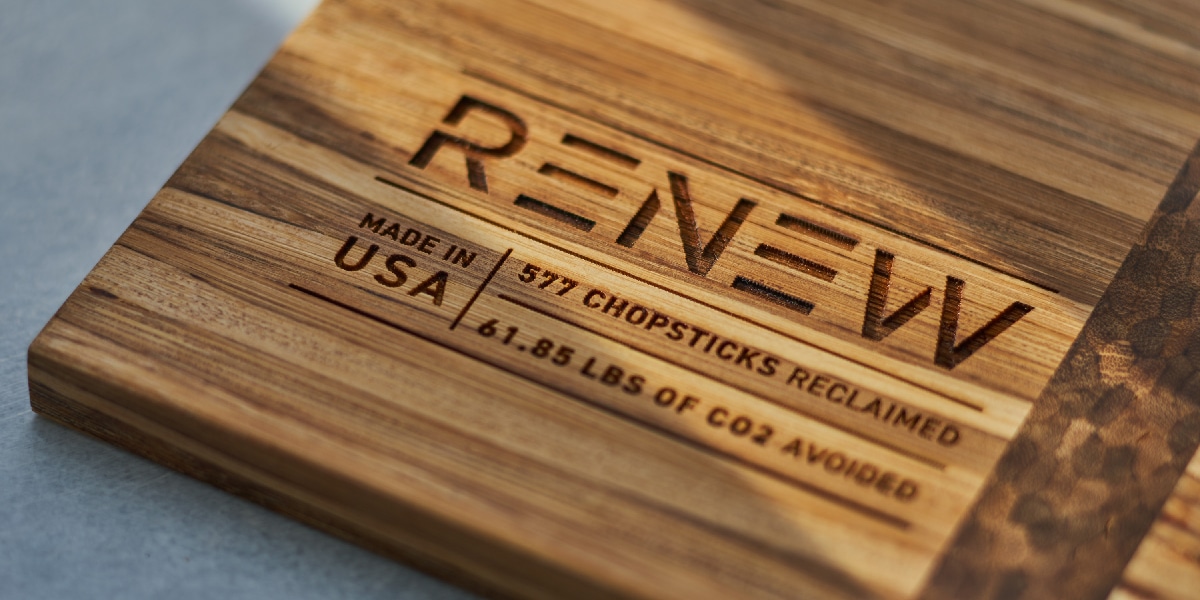
One of the standout items in RENEW’s collection is the Gather + Graze Serving Board. This piece is made from 265 reclaimed chopsticks, showcasing how something as simple as a dining utensil can be transformed into a functional work of art. It’s the perfect example of RENEW’s philosophy—every product not only looks good but also serves a greater purpose by reducing waste.

“Every chopstick we reclaim is one less piece of waste that contributes to environmental degradation,” Tam explains. “Our goal is to create functional items that people love and want to display in their homes, while also raising awareness about the impact of single-use products.”

What sets RENEW by Trinity apart is not just its commitment to sustainability, but also its dedication to quality and design. Each product in the collection is carefully crafted with modern aesthetics in mind, making them ideal for consumers who want to combine eco-conscious living with style.

The brand’s innovative approach has quickly gained popularity, with eco-conscious consumers and design enthusiasts alike embracing the idea of upcycled home goods. From sleek coffee tables like the Chit Chat Coffee Table, made from hundreds of chopsticks, to multi-functional pieces like the Hide + Seek Dog Crate and End Table, RENEW products prove that sustainability doesn’t have to come at the expense of elegance or functionality.

“We want to make sustainability accessible and desirable,” says Tam. “Our products are designed to fit into any modern home, providing both style and a meaningful story. It’s important to us that people understand that by choosing RENEW, they’re not just buying a piece of furniture—they’re contributing to a larger movement toward reducing waste.”

As the world becomes more aware of the need for sustainable living, RENEW by Trinity is poised to continue its growth. The company is constantly exploring new ways to repurpose other waste materials, with current experiments focused on using coffee grounds in their designs. This forward-thinking approach ensures that RENEW will remain at the cutting edge of sustainable innovation.

RENEW Leading the Way in Sustainable Home Design

Photo Courtesy: RENEW By Trinity

“We’re always looking for new materials to upcycle,” Tam shares. “We see waste as an opportunity to innovate, and our goal is to keep pushing the boundaries of what can be done with repurposed materials. We want to lead by example and show that sustainability can be both creative and profitable.”

Under Tam’s leadership, RENEW by Trinity is proving that sustainable business models can be both profitable and impactful. By turning waste into value, the brand is leading the way in the fight against environmental degradation. And with a growing customer base that values eco-conscious products, the future looks bright for RENEW and its mission to bring sustainability to the forefront of home design.

For Cze-Chao Tam, the work doesn’t stop at chopsticks. Her broader vision is to change the way consumers and businesses alike think about waste and to inspire other companies to adopt more sustainable practices. “We want to create a world where waste is seen as a resource, not a problem,” she says. “That’s the future we’re working toward, one product at a time.”

As more consumers prioritize sustainability in their purchasing decisions, brands like RENEW by Trinity are not only providing eco-friendly alternatives but are also setting new standards for what it means to live responsibly. With its unique blend of design, functionality, and environmental stewardship, RENEW is more than just a brand—it’s a movement toward a greener, more sustainable future.


Published by: Khy Talara
Low-Code and AI: The Future of Software Development

Artificial Intelligence (AI) is rapidly advancing, and while it may not directly affect some people, this doesn’t diminish its impact on businesses and different industries. Several companies have been slowly navigating and integrating AI into their operations, which raises the question: Will AI take over human jobs?

Let’s take a closer look at AI’s impact on software development. As AI continues to evolve, it is not just automating routine tasks but also revolutionizing software development, with low-code platforms at the forefront of this transformation.

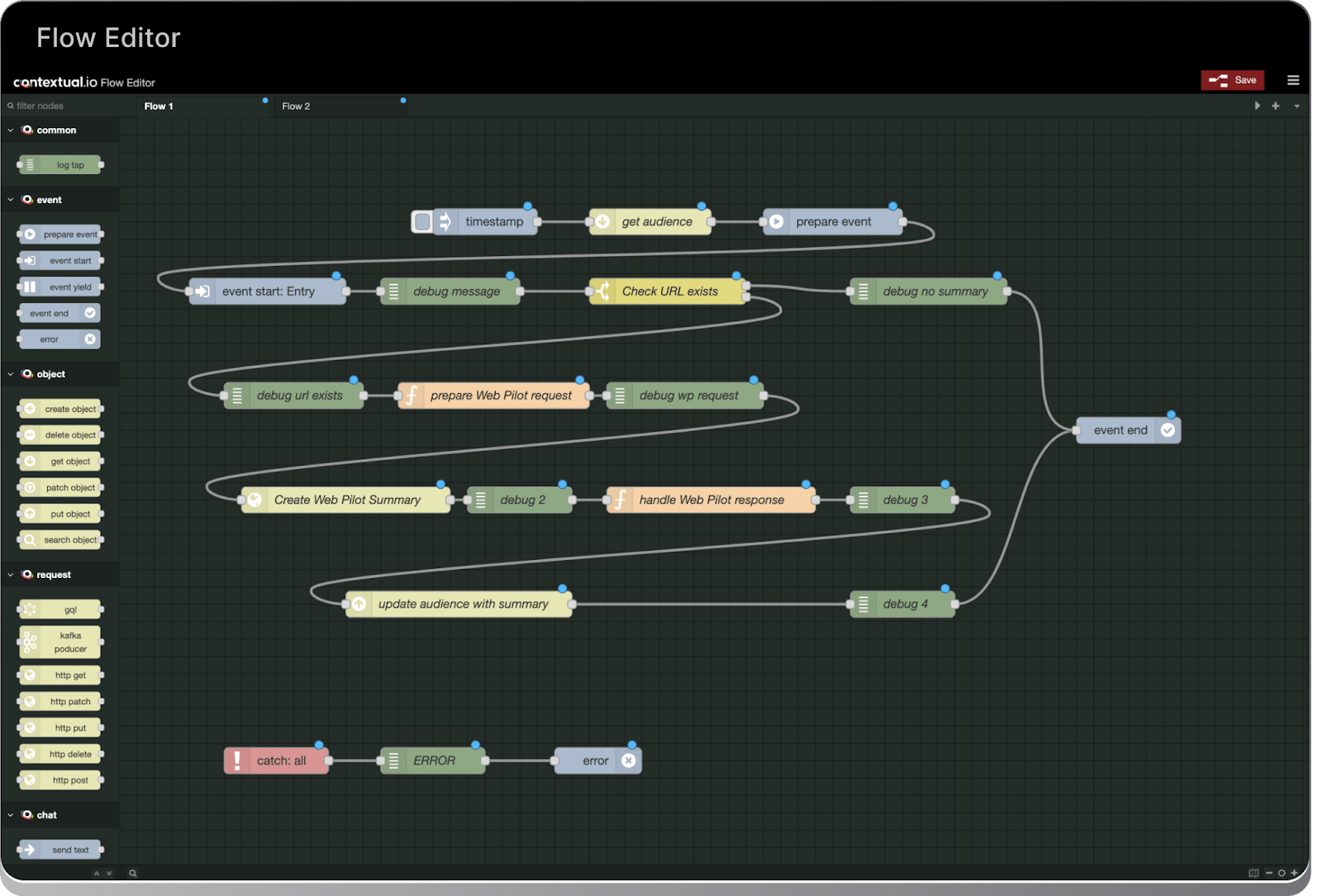
Traditionally, software development has been labor-intensive, requiring highly skilled developers to write extensive lines of code. However, introducing low-code platforms has democratized software development, enabling even those without extensive programming knowledge to create sophisticated applications. These platforms provide a visual interface where users can drag and drop components and see how the software is assembled, significantly reducing the time and effort required to develop applications.

Low-Code and AI The Future of Software Development (2)

Photo Courtesy: AK Infinite and Contextual

But the real game-changer is the integration of AI into these low-code platforms. AI-powered tools are enhancing the capabilities of low-code platforms by automating various aspects of software development, making the process even more efficient and accessible.

The Role of AI in Software Development

AI is transforming software development in several ways. One of the most significant changes is the introduction of AI-assisted development tools. These tools leverage machine learning models trained on vast amounts of code to provide developers with suggestions, automate code generation, and even detect and fix bugs. For instance, Microsoft’s Visual Studio Code has integrated AI features that assist developers by providing code completions, suggesting improvements, and identifying potential issues in real time.

Moreover, AI is not just assisting in code writing; it is also beginning to take over the development process itself. With the advent of AI orchestration platforms, like those offered by companies such as Contextual, AI can now build entire software systems. Business users can interact with AI to define their requirements, create tests, and deploy solutions—all without writing a single line of code. This shift marks a significant step towards a future where the role of human developers may become more about oversight and less about hands-on coding.

The Intersection of Low-Code and AI

The integration of AI with low-code platforms is creating a powerful synergy. Low-code platforms, which are already making software development more accessible, are being supercharged by AI. This combination enables users to develop applications faster and more complexly than ever.

One key advantage of this integration is the ability to automate repetitive tasks. AI can generate code snippets, suggest optimizations, and even automate testing. This speeds up development and reduces the likelihood of human error. Additionally, AI can analyze vast amounts of data to identify patterns and make predictions, allowing developers to create more intelligent and responsive applications.

For example, a developer using a low-code platform with AI capabilities can build a complex data-driven application in a fraction of the time it would take using traditional methods. The AI can handle the heavy lifting, such as data integration, processing, and analysis, while the developer focuses on refining the user experience and ensuring the application meets business needs.

The Implications for the Future of Work

The rise of low-code platforms and AI in software development is leading to a shift in the skills required for developers. While coding skills will remain valuable, the ability to work with AI and leverage low-code platforms will become increasingly important. Developers who can adapt to these new tools will be able to work more efficiently and create more sophisticated applications.

However, this shift also raises questions about the future of the software development profession. As AI becomes more capable, there is a growing concern that it could eventually replace human developers altogether. In a 2023 survey by Resume Builders, 53% of the companies already use AI, and 83% shared that employees with AI skills will definitely have more job security. 

This is just one of the implications of developers’ evolving roles, and those who fail to adapt may find themselves left behind.

At the same time, the democratization of software development through low-code platforms is opening up new opportunities for non-developers. Business analysts, project managers, and even end-users can now create and deploy applications, blurring the lines between developers and users.

The intersection of low-code platforms and AI is ushering in a new era of software development. As these technologies continue to evolve, they make software development faster, more accessible, and more efficient. This presents both an opportunity and a challenge for developers: embrace these new tools and become more productive, or risk being left behind.

The landscape of software development will continue to change in the coming years. AI and low-code platforms will play a central role in this transformation, enabling organizations to innovate faster and stay competitive in an increasingly digital world. Contextual understands this and is already integrating AI into their AI orchestration platform. If you want to learn more, schedule a free brainstorming session here

Published by: Holy Minoza