Quiz Your Potential Pet Sitter: Essential Questions for Peace of Mind

By: SEO Mavens

Choosing a pet sitter can feel like a daunting task. After all, you’re trusting someone with a cherished member of your family. Your pet’s well-being and your peace of mind depend on making the right choice. That’s why it’s crucial to vet potential sitters thoroughly. But what should you ask to ensure you’re making the premier decision? Here’s a comprehensive guide to the essential questions you should ask when quizzing your potential pet sitter.

Experience Matters: How Long Have You Been Pet Sitting?

Start by understanding the sitter’s experience. Ask how long they’ve been pet sitting and what types of pets they’ve cared for. Experience can make a huge difference, especially if you have a pet with specific needs. A sitter who has years of experience handling a variety of animals will likely be more adept at managing different situations, from giving medications to handling behavioral quirks.

Follow-up: Ask for references or testimonials from previous clients. Hearing about their TLC pet-sitting experiences can provide valuable insight into what you can expect.

Training and Skills: Do You Have Any Certifications or Special Training?

While not all pet sitters need formal training, certifications in pet first aid, animal behavior, or pet care can be a major plus. This shows that the sitter has invested time in learning how to care for animals properly and is prepared for emergencies.

Follow-up: Inquire about specific situations they’ve handled in the past, such as medical emergencies or behavioral issues. This will give you an idea of their practical knowledge and problem-solving abilities.

Daily Routine: What Does a Typical Day Look Like for You as a Pet Sitter?

Understanding the sitter’s routine helps ensure they can meet your pet’s needs. Do they have a strict schedule for feeding, walks, playtime, and rest? Do they adapt their routine to suit the pet’s habits and personality? The ideal sitter will be flexible and attentive, tailoring their care to keep your pet happy and comfortable.

Follow-up: Discuss your pet’s specific needs and preferences to see how the sitter plans to accommodate them. For example, if your dog is used to a morning walk and a mid-afternoon play session, ensure the sitter is willing to keep up that routine.

Communication: How Will You Keep Me Updated While I’m Away?

Regular communication is key to your peace of mind while you’re away. Ask how the sitter plans to keep you updated. Will they send daily texts, photos, or videos? Some sitters even offer video calls, allowing you to see your pet in real time. Clear and consistent communication ensures you stay connected and reassured that your pet is in good hands.

Follow-up: Clarify your expectations for updates. If you prefer daily check-ins at a specific time, make sure the sitter is comfortable with that.

Handling Emergencies: What Is Your Plan If Something Goes Wrong?

Emergencies can happen, and it’s important to know your pet sitter is prepared. Ask about their plan for handling various emergencies, from your pet falling ill to a natural disaster. Do they know the location of the nearest emergency vet? Are they familiar with your pet’s medical history and any special needs?

Follow-up: Provide the sitter with a list of emergency contacts, including your vet and a trusted neighbor or friend who can step in if needed. Ensure they understand your pet’s medical history and any medications they’re taking.

Home Security: How Will You Ensure My Home Stays Secure?

Your pet sitter will have access to your home, so it’s vital to discuss security. Ask about their procedures for entering and exiting your home. Do they keep your keys and security codes secure? Are they willing to follow specific instructions for locking up or setting alarms?

Follow-up: Discuss any home-related tasks you’d like them to handle, such as bringing in the mail, watering plants, or adjusting lights to make it look like someone is home. A good pet sitter will be happy to take care of these small tasks to ensure your home stays secure.

Rates and Policies: What Are Your Fees, and What Services Are Included?

Be clear about the costs involved. Ask for a detailed breakdown of their rates and what services are included. Do they charge extra for additional pets, administering medication, or staying overnight? Are there any cancellation fees or policies you should be aware of?

Follow-up: Ensure everything is documented in writing. A written agreement that outlines services, fees, and policies protects both you and the sitter, ensuring there are no misunderstandings.

Backup Plans: What Happens If You’re Unable to Make It?

Life happens, and even the premier pet sitters might face unexpected situations. Ask what their backup plan is if they can’t make it to your home. Do they have a trusted colleague or service they can call on in case of an emergency?

Follow-up: Discuss any arrangements you’d like to have in place for such scenarios. You might want to have a secondary contact or service on standby, just in case.

Personal Connection: How Does Your Pet React to the Sitter?

Finally, trust your pet’s instincts. Arrange a meet-and-greet between your pet and the potential sitter. Pay attention to how your pet reacts. Do they seem comfortable and relaxed, or are they anxious and stressed? Your pet’s response can be a good indicator of how they’ll feel when you’re not around.

Follow-up: Observe the sitter’s interaction with your pet. Are they attentive, calm, and caring? Do they take the time to get to know your pet and make them feel at ease? A genuine connection between your pet and the sitter is crucial for a positive experience.

Final Thoughts

Choosing the right pet sitter requires more than just finding someone available on the dates you need. It’s about ensuring that your pet will be cared for by someone who is experienced, reliable, and truly cares about their well-being. By asking these essential questions, you can make an informed decision and enjoy your time away, knowing that your pet is in safe hands. After all, peace of mind for you means happiness and comfort for your furry friend.


Published by: Khy Talara

Selling Your LA Home: Disclosing Termite Damage

By: SEO Mavens

Selling a home in Los Angeles can be both an exciting and daunting experience. The city’s real estate market is competitive. With desirable neighborhoods, sunny weather, and diverse cultural offerings, LA homes often come at a premium, especially in the Beverly Hills area. However, selling can become more complicated if your home has a history of termite damage. Understanding your obligations as a seller and how to navigate the disclosure process is essential to ensuring a smooth transaction.

Understanding Termite Damage in Los Angeles

Termites are common in Los Angeles, primarily due to the region’s warm climate and abundant wooden structures. Homeowners need to be aware of two main types of termites: subterranean and drywood termites. Subterranean termites live in the soil and build mud tubes to reach above-ground wood, while dry wood termites, which are particularly prevalent in Southern California, infest dry wood directly.

Over time, termite infestations can cause significant structural damage to a home, weakening wooden beams, flooring, and other critical components. This damage not only affects the home’s safety and integrity but can also significantly impact its market value. As a seller, it’s crucial to address any termite issues and be upfront about the property’s condition with potential buyers.

Your Legal Obligations: Full Disclosure

In California, sellers are legally required to disclose known defects or issues with the property to potential buyers, including any termite damage or infestations. This obligation is part of the state’s broader commitment to transparency in real estate transactions, which aims to protect both buyers and sellers from disputes down the road.

When selling your LA home, you must complete a Transfer Disclosure Statement (TDS), a standard form used in California real estate transactions. The TDS asks questions about the property’s condition, including any known issues with pests or structural damage. If your home has had termite damage in the past, or if there are current signs of an infestation, you must disclose this information in the TDS.

Failing to disclose termite damage can have serious consequences. If a buyer discovers undisclosed damage after the sale, they may have grounds to file a lawsuit for misrepresentation or fraud. This can lead to costly legal battles, financial penalties, and damage to your reputation. Being transparent about termite issues protects you from potential liability and helps build trust with prospective buyers.

Assessing and Repairing Termite Damage

Before listing your home for sale, it’s wise to conduct a thorough inspection to assess the extent of any termite damage. Hiring a licensed termite control Beverly Hills to perform a termite inspection will give you a clear understanding of the situation. The inspection will identify active infestations, areas of damage, and any potential risks for future infestations.

If termite damage is found, you’ll need to decide how to address it. There are generally two options:

Repair the Damage

If the damage is significant, repairing it before putting your home on the market can make the property more appealing to buyers. This might involve replacing damaged wood, treating the affected areas to prevent further infestations, and ensuring that the home meets safety and building codes. While this can be a costly investment, it can also help you achieve a higher sale price.

Disclose and Sell As-Is

If you’re unable or unwilling to make repairs, you can choose to disclose the damage and sell the home as-is. In this case, buyers will be made aware of the condition and can decide whether they’re willing to take on the responsibility of repairs. Keep in mind that selling a home with known termite damage may result in a lower sale price, as buyers will factor the cost of repairs into their offer.

Marketing Your Home with Transparency

Once you’ve addressed the termite issue—whether through repairs or disclosure—it’s time to market your home. Transparency is key to building trust with potential buyers, especially in a competitive market like Los Angeles and Beverly Hills. When listing your home, be upfront about its condition and any termite history.

Consider including information about the termite inspection, any repairs that were made, and the steps taken to prevent future infestations. If you’ve invested in eco-friendly termite control options or preventative measures, highlight these in your listing. Buyers who are concerned about the environmental impact of their purchase may see this as a positive selling point.

Additionally, providing potential buyers with documentation, such as inspection reports, repair receipts, and warranties for termite treatments, can help reassure them that the issue has been properly addressed. This level of transparency not only demonstrates your honesty as a seller but can also help speed up the sales process by reducing the likelihood of objections or last-minute negotiations.

Navigating Buyer Concerns

Even with full disclosure, some buyers may be wary of purchasing a home with a history of termite damage. It’s important to be prepared to address their concerns and provide them with the information they need to make an informed decision.

Work with your real estate agent to develop a strategy for handling potential objections. This might include offering to cover the cost of a follow-up termite inspection, providing a home warranty that covers termite damage, or being flexible on the sale price. By demonstrating your willingness to work with buyers, you can ease their concerns and increase the likelihood of a successful sale.

The Benefits of Full Disclosure

While disclosing termite damage might seem like a drawback when selling your home, it can actually work in your favor. Buyers appreciate honesty and are more likely to trust a seller who is upfront about the property’s condition. Full disclosure can also help you avoid legal disputes and ensure a smoother transaction overall.

In a city like Los Angeles, where real estate transactions are often fast-paced and competitive, being transparent about termite damage can set you apart from other sellers. Buyers who feel confident in their purchase are more likely to move forward quickly, helping you sell your home faster and with less stress.

Published by: Nelly Chavez

Reclaim Family Dinners with Nymble’s Smart Cooking Tech

Imagine this: It’s 6 PM, the end of a long day. You’ve juggled work, errands, and everyday challenges. Now, the thought of preparing a family meal feels daunting. If this sounds familiar, don’t worry—you’re not alone. Many parents find themselves stuck in a cycle of convenience food or quick fixes simply because there’s not enough time or energy left for anything else. Yet, family meals are important. They’re not just about eating; they’re about sharing, connecting, and unwinding together. In fact, according to OVUM Women and Child Specialty Hospital, eating together improves every family member’s physical health, emotions, and social relationships (Source: OVUM Women and Child Specialty Hospital). So, how can busy parents make family dinners a reality without adding stress?

The answer lies in simplicity and smart planning. With a few clever strategies and the help of modern kitchen gadgets, like Posha, it’s possible to prepare wholesome, enjoyable meals without turning it into a significant project.

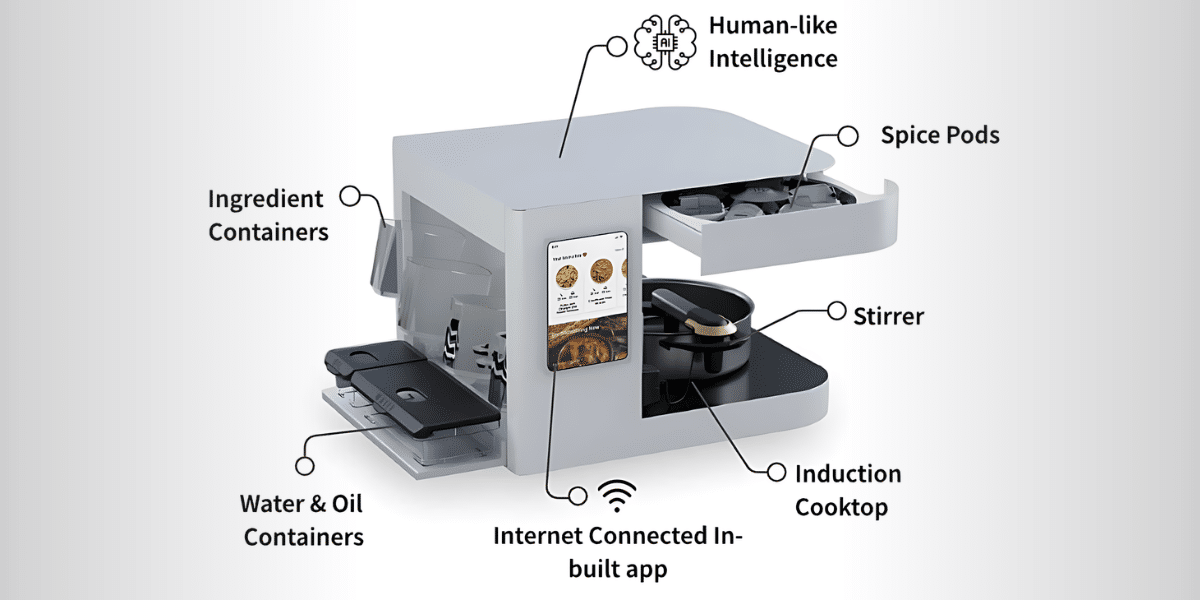
Posha is designed to bring back the joy of cooking and gathering around the table, even with the busiest of schedules. With this innovative robot chef, you can automate the cooking process and create chef-quality meals at home!

Practical Tips for Busy Parents

1.Plan Ahead

Dedicating a bit of time each week to meal planning is a game-changer. Set aside an hour on the weekend to map out your meals for the week ahead. Consider your family’s preferences, schedule, and dietary needs. A well-thought-out plan prevents those dreaded “what’s for dinner?” moments and ensures you have all the ingredients on hand. It can also help you avoid impulse purchases at the grocery store.

2. Prep in Advance

Weekends can be your secret weapon for weekday meal prep. Use this time to chop vegetables, marinate meats, or cook grains like rice or quinoa in bulk. Having these ready-to-go components can help reduce your cooking time on busy evenings. You can even pre-portion snacks or assemble lunch boxes for the week.

3. Embrace One-Pot Wonders

One-pot meals are a busy parent’s best friend. They simplify cooking and cleanup, making them ideal for weeknights. Explore recipes for casseroles, soups, stews, pasta dishes, and stir-fries that can be prepared in a single pot or pan. Not only are they convenient, but they also often yield leftovers for another meal.

4. Stock Your Pantry

A well-stocked pantry is essential for quick and easy meals. Keep staples like pasta, rice, canned beans, canned tomatoes, broth, and spices on hand. These versatile ingredients can form the foundation for countless recipes. Having them readily available saves you from last-minute trips to the store when you’re short on time.

5. Get Creative with Leftovers

Leftovers don’t have to be boring. Transform yesterday’s roast chicken into tacos, turn leftover vegetables into a frittata, or repurpose leftover rice into fried rice. By getting creative with leftovers, you can reduce food waste, save money, and simplify your meal planning. There are countless recipes available online for turning leftovers into delicious new dishes.

6. Embrace Technology

What if there was a way to make family meals even easier? Meet Posha, a countertop cooking robot that makes fresh meals convenient, affordable, and magical for everyone. Imagine having a personal sous chef that takes care of the cooking, allowing you to spend more quality time with your loved ones. That’s precisely what Posha offers!

With Posha, you simply choose a recipe, prep the ingredients, load them into the machine, and let it do its thing. No constant stirring, no worrying about overcooking. But Posha isn’t just about convenience – it’s about quality, too. The meals it creates are on par with those from a high-end restaurant, with over 500 recipes across 10+ cuisines to choose from. Whether you’re craving Indian curry, Italian pasta, or classic American comfort food, Posha has you covered.

5 Delicious and Family-Friendly Recipes You Can Cook Using Posha

1.Kung Pao Chicken

A classic Chinese takeout favorite, Kung Pao Chicken is a flavorful stir-fry with tender chicken, crisp vegetables, and a savory, slightly sweet sauce. Posha makes it even easier by precisely controlling the cooking temperature and timing, ensuring perfectly cooked chicken and vegetables every time. This dish is a great way to introduce your family to new flavors and textures.

2. Spaghetti Aglio e Olio

This simple yet delicious Italian pasta dish features spaghetti tossed in a garlicky olive oil sauce with a hint of chili flakes for a subtle kick. Posha ensures the pasta is cooked to perfection and the sauce is evenly distributed, resulting in a restaurant-quality meal in the comfort of your own home. It’s a quick and satisfying option for a busy weeknight dinner.

3. Vegetable Fried Rice

Vegetable fried rice is a versatile and healthy meal that’s perfect for using up leftover rice and vegetables. Posha’s precise cooking capabilities ensure that the rice is fluffy and the vegetables retain their crunch. You can customize it with your family’s favorite vegetables and protein for a personalized touch.

4. Japanese Curry

Japanese curry is a comforting and hearty dish featuring tender meat and vegetables simmered in a rich and flavorful curry sauce. Posha simplifies the cooking process, allowing you to enjoy this authentic dish without the hassle of constant stirring and monitoring. Serve it with steamed rice for a complete and satisfying meal.

5. Chicken Fajitas

Bring the vibrant flavors of Mexico to your kitchen with chicken fajitas. Posha ensures the chicken is cooked to perfection and the vegetables are tender-crisp. Serve the sizzling chicken and vegetables on warm tortillas with your favorite toppings, such as salsa, guacamole, sour cream, and cheese. It’s a fun and interactive meal that the whole family can enjoy.

More Time for What Matters: Take Back Family Dinner with Posha

Family mealtime is a time to connect, share stories, and create lasting memories. With a little planning and the help of innovative tools like Posha, you can effortlessly prepare healthy, home-cooked meals that nourish your body and soul, leaving more time for what truly matters — your family.

Don’t let busy schedules compromise family mealtime. Embrace Posha and enjoy delicious, healthy meals with minimal effort. Your family (and your taste buds) will thank you!

Published by: Khy Talara