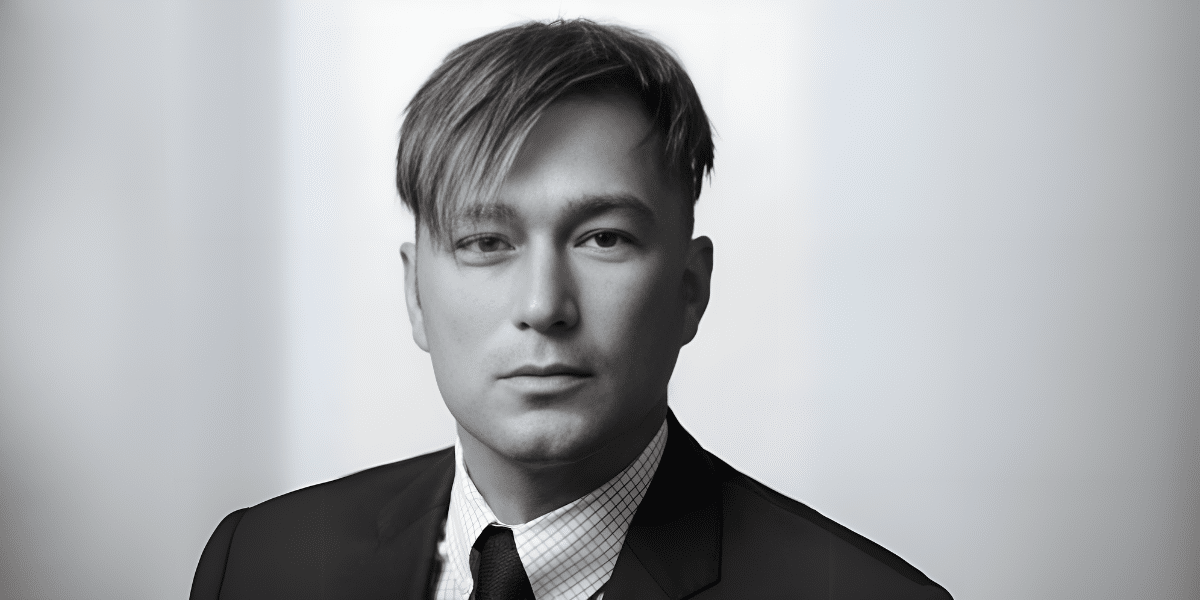
Big Dreams for Small Farmers: A Billionaire’s Approach

Stefan Soloviev, a prominent real estate mogul and one of the largest landowners in the United States, has embarked on a mission to empower small farmers and revitalize rural communities.

Soloviev’s unique vision merges his business acumen with a deep-seated commitment to sustainable agriculture and community development.

Innovative Strategies and Future Plans

Soloviev’s innovative strategies include leveraging technology to enhance farming efficiency and sustainability.

He invests in cutting-edge agricultural technologies, such as precision farming tools, which help optimize crop yields while minimizing environmental impact. These technologies are shared with small farmers, enabling them to improve their productivity and profitability.

Looking to the future, Soloviev plans to expand his efforts by creating a network of small farms that operate under a cooperative model. This model will enable farmers to pool resources, share knowledge, and collectively market their products.

By fostering a collaborative ecosystem, Soloviev aims to create resilient agricultural communities that can withstand economic and environmental challenges.

Soloviev’s vision is ambitious, yet grounded in practical experience. His approach to agriculture and community development reflects a deep understanding of the interconnected nature of these domains.

By prioritizing sustainability, collaboration, and local empowerment, Soloviev is setting a new standard for land stewardship and rural revitalization.

Soloviev’s Agricultural Vision

Stefan Soloviev’s extensive land holdings span millions of acres, including vast farmlands in Kansas, Colorado, and New Mexico. Unlike many landowners who lease out their properties, Soloviev is directly involved in farming operations. He grows various crops, such as wheat, corn, and milo, and is deeply committed to sustainable farming practices.

Soloviev’s agricultural pursuits are not solely focused on profitability. He aims to support small farmers and enhance the vitality of rural economies. By fostering partnerships with local farmers, Soloviev provides access to resources and markets that would otherwise be out of reach for many small-scale operators. His approach is collaborative, emphasizing mutual benefit and long-term sustainability over short-term gains​.

Community-Centric Development

One of the core tenets of Soloviev’s philosophy is the integration of community development into his agricultural initiatives.

He believes that the success of small farms is intrinsically linked to the health and prosperity of the surrounding communities. To this end, he invests in infrastructure and services that support rural populations, such as schools, healthcare facilities, and community centers.

Soloviev’s efforts extend beyond financial support. He actively engages with local leaders and residents to understand their needs and challenges.

This grassroots approach ensures that his projects are tailored to the specific requirements of each community, fostering a sense of ownership and involvement among local stakeholders​.

Stefan Soloviev’s commitment to small farmers and rural communities represents a bold and innovative approach to agriculture.

By blending business acumen with a deep sense of social responsibility, he is creating a model for sustainable and inclusive rural development. His efforts not only support the livelihoods of small farmers but also contribute to the overall health and prosperity of rural America.

Published by: Martin De Juan

Marilyn Montero, C.Ht. Clinical Hypnotherapist on Trauma

By: Marilyn Montero from Marilyn Wellness Studio

Interviewer: Can you speak to the impact that unresolved trauma can have on an individual’s mental health and overall well-being?

Marilyn: Trauma, whether it’s from a single incident or prolonged exposure, can have a truly devastating impact on an individual’s mental health and overall well-being. Unresolved traumatic experiences often become stored in the subconscious mind, manifesting as anxiety, depression, PTSD, phobias, and other debilitating issues. The mind and body become stuck in a state of hypervigilance, unable to fully process and integrate the traumatic memories. This can lead to chronic stress, relationship difficulties, and an inability to live life to the fullest. It’s heartbreaking to witness but incredibly rewarding to help clients overcome these challenges.

Interviewer: How can hypnotherapy be a practical approach for healing trauma?

 Marilyn: Hypnotherapy is particularly effective for healing trauma because it allows us to access the subconscious mind, where these traumatic memories are held. Through the hypnotic state, we can safely revisit and reprocess the trauma, releasing the emotional charge and restoring a sense of control. Unlike talk therapy, which can sometimes re-traumatize the client, hypnotherapy facilitates a deep state of relaxation and openness, enabling the subconscious to release the trauma without being re-traumatized. The hypnotherapist can then work with the client to install new, empowering beliefs and coping mechanisms. It’s a truly transformative process.

Interviewer: Do you find the same level of effectiveness in your virtual sessions as your in-person sessions?

Marilyn: Absolutely! I’ve found that the effectiveness of my hypnotherapy sessions is the same, whether they’re conducted virtually or in person. The hypnotic state can be just as easily achieved through a secure video call, and the client can experience the same profound level of relaxation and openness. In fact, many clients find the virtual setting even more comfortable, as they can access the sessions from the privacy of their own homes. The connection and rapport we build are as strong, and the transformative results are consistent across both modalities.

Interviewer: Can you share a client success story demonstrating hypnotherapy’s power for healing trauma?

Marilyn: One of my most rewarding client success stories involved a woman who had suffered sexual abuse as a child. For years, she struggled with anxiety, depression, and an inability to form healthy relationships. Through our hypnotherapy sessions, we were able to access the root cause of her trauma and guide her through a powerful healing process. She experienced a profound emotional release, finally letting go of the shame and self-blame she had carried for so long. Throughout several sessions, she was able to reframe her perspective, cultivate self-compassion, and develop the tools to move forward in her life with confidence and inner peace. It was truly inspiring to witness her transformation. 

Interviewer: Many people may have preconceived notions about hypnotherapy. How do you address those concerns and help clients feel safe and in control during the process? 

Marilyn: I completely understand the apprehension that many people have about hypnotherapy, as there are still many misconceptions about the process. However, I always make it a priority to educate my clients and ensure they feel completely safe and in control throughout our sessions. I explain that hypnosis is a natural, relaxed state of focused attention – not a state of unconsciousness or mind control. I also emphasize that the client is always in charge and that nothing will happen without their full consent. By fostering an atmosphere of trust and transparency, I can help clients feel empowered to explore their subconscious and access their own inner wisdom and healing potential.

Interviewer: What are some of the profound benefits you’ve witnessed in clients who have healed their trauma through hypnotherapy?

 Marilyn: The benefits of healing trauma through hypnotherapy are truly life-changing. Clients often report feeling a profound sense of relief, as if a weight has been lifted from their shoulders. They experience a significant reduction in anxiety, depression, and other trauma-related symptoms. Many also find that their relationships improve as they connect more authentically with others. On a physical level, I’ve seen clients experience improvements in sleep, digestion, and overall energy levels. But perhaps most importantly, they regain a sense of control over their lives and a renewed passion for living. Hypnotherapy allows them to reclaim their power and enter a future filled with possibility. It’s truly remarkable to witness.

Explore Marilyn Wellness Studio at www.MarilynWellnessStudio.com

Connect directly with Marilyn Montero at 949-397-1115

Schedule an online consultation Calendar

For additional resources, visit Linktree – Marilyn Montero

Marilyn Montero’s services cater globally for virtual sessions while also offering local support at Beverly Hills, CA, and Laguna Beach, CA.


Published by: Martin De Juan

Shaping Future Leaders: Guy Monseair on Rowing’s Impact

Guy Monseair is the esteemed Head Coach and Executive Director at City Island Rowing in Bronx, NY. His diverse background includes entrepreneurship in art galleries and horticulture, ultimately leading him to his true passion: coaching. At City Island Rowing, Guy not only fosters athletic excellence but also emphasizes the holistic development of young athletes, preparing them for success both on and off the water.

What inspired you to transition from entrepreneurship to coaching rowing? 

My journey into coaching was somewhat serendipitous but deeply fulfilling. I originally invested my time and energy into art and horticulture, areas I’m passionate about. However, I found that my volunteer work as a rowing coach, initially just a side interest, was incredibly rewarding. Seeing young athletes grow, not just in skill but in confidence and character, really resonated with me. It made me realize that coaching could have a profound impact, so I decided to dedicate myself fully to it.

How do you integrate your previous business experience into your coaching methods? 

The skills I honed in business, particularly in organization, strategic planning, and people management, have been invaluable in coaching. I approach each training session with a clear plan and goals, much like I would tackle a business project. Managing a team, whether in a company or on the water, requires understanding individual strengths and how they can ideally contribute to the group’s success. My business experience has definitely shaped a more structured and effective coaching style.

What is one key challenge you’ve faced in coaching, and how did you overcome it? 

One of the biggest challenges was shifting the team culture towards a more holistic approach to athlete development. Initially, there was a strong focus solely on physical performance. I introduced programs that included mental health workshops, leadership training, and community service. It took time for the team to see the value in these additions, but through consistent results and open communication, the athletes began to appreciate how these elements significantly improved their performance and teamwork.

In what ways do you think rowing helps in developing future leaders?

Rowing is unique in that it combines physical prowess with intense teamwork and mental strategy. Every member in the boat must synchronize perfectly, which teaches responsibility, communication, and mutual support. These are all critical leadership skills. Additionally, I place a strong emphasis on setting personal and team goals, handling setbacks positively, and leading by example. Rowers learn to lead not just within their sport but in their broader community interactions, which is essential for real-world leadership.

How do you ensure that your athletes maintain balance between their sport and academics? 

Balancing academics and sports is crucial. City Island Rowing is unique among competitive programs as we give our Varsity athletes a day off in the middle of the week, and have one early morning session, giving our athletes 2 afternoons per week free. This allows our athletes time to make sure they can thrive academically as well as get rest. I also work closely with parents and educational advisors to monitor the athletes’ academic performance. If an athlete struggles, we adjust their training regimen and provide additional support where necessary. It’s about teaching them to manage their time effectively, a skill that benefits their academics now and their professional life later on.

What’s your perspective on the role of nutrition and physical recovery in rowing? 

Nutrition and recovery are as critical as physical training in rowing. I educate the team on the importance of proper nutrition and incorporate recovery practices into our routine, including stressing the need for adequate sleep, hydration, and active recovery days. Understanding how to care for their bodies maximizes athletes’ performance and reduces the risk of injuries.

Can you share a memorable moment from your coaching career? 

One of the memorable moments was watching our team clinch a national championship after seasons of intense preparation and dedication. The sheer joy and pride evident on the athletes’ faces, and knowing the hard work they put in, was profoundly rewarding. It wasn’t just about winning; it was about seeing them come together and perform as a cohesive unit under pressure, embodying all the values we’d worked on throughout the season.

What advice would you give to someone aspiring to become a rowing coach? 

My advice would be to focus on continuous learning and genuinely caring for your athletes’ development in all aspects of their lives. Coaching is not just about training athletes to win races; it’s about mentoring them to become the ideal versions of themselves. Be patient, be willing to adapt, and always lead by example. The impact you can have as a coach extends far beyond the boat.

Are there any new initiatives or programs you’re excited about introducing at City Island Rowing? 

We are currently planning to expand our community outreach programs and establish more partnerships with local schools to introduce rowing to younger students. We’re also looking at enhancing our training facilities with more environmentally sustainable technologies and practices, reinforcing our commitment to not only developing great athletes but also responsible citizens.


Published by: Khy Talara

The Crucial Role of Sick Leaves: Why CEOs Should Prioritize Their Health

Sick leaves are a crucial component of employee well-being and productivity, and this is equally true for top executives. CEOs often face immense pressure to maintain their presence and performance, sometimes at the cost of their health. However, taking sick leave is essential for various reasons. This article delves into why sick leaves are important, even for CEOs, highlighting the benefits for both the individual and the organization.

The Importance of Sick Leaves

Sick leaves are fundamental for maintaining health and well-being. For CEOs, who are often under constant stress, taking time off to recover from illness is crucial. Prolonged stress and inadequate rest can lead to severe health issues, including heart disease, hypertension, and mental health disorders. By taking sick leave, CEOs can recover more effectively, reducing the risk of long-term health problems.

Burnout is a significant issue among high-level executives. The relentless demands of leading a company can lead to physical and mental exhaustion. Sick leaves provide an opportunity to rest and recuperate, helping to prevent burnout. By taking time off when needed, CEOs can return to work more energized and with a clearer mind, which is beneficial for their decision-making abilities and overall performance.

Organizational Benefits

Contrary to the belief that taking time off hampers productivity, sick leaves can actually enhance it. When CEOs take sick leave to recover fully, they are more likely to return to work with greater efficiency and focus. This, in turn, sets a positive example for the rest of the organization, encouraging a culture where health is prioritized, leading to overall higher productivity levels.

Health significantly impacts cognitive functions such as decision making, problem-solving, and critical thinking. A CEO who is unwell may not be able to perform these functions optimally. Taking sick leave allows CEOs to recover and return to their role with a refreshed perspective, thereby making better and more informed decisions for the company.

Setting a Positive Example

When CEOs take sick leave, it sends a strong message to the rest of the organization about the importance of health. It promotes a culture where taking care of oneself is prioritized, and employees feel more comfortable taking the time they need to recover from illnesses. This can lead to lower absenteeism and a healthier, more motivated workforce.

CEOs who take sick leave demonstrate the importance of work-life balance. This sets a precedent for other employees, showing that it is acceptable to take time off when needed. Encouraging a healthy work-life balance can lead to higher job satisfaction, reduced turnover, and a more positive work environment.

Legal and Ethical Considerations

Providing sick leave is not just a health issue but also a legal requirement in many jurisdictions. Ensuring that CEOs take their entitled sick leave helps organizations comply with labor laws and avoid potential legal issues. It also reflects a commitment to ethical practices and employee welfare.

CEOs who take sick leave when necessary embody ethical leadership. They demonstrate that they value their health and well-being, as well as that of their employees. This ethical stance can enhance the company’s reputation and build trust among stakeholders, including employees, customers, and investors.

Addressing Common Misconceptions

A common misconception is that CEOs cannot afford to take time off due to their responsibilities. However, delegating tasks and empowering other executives can ensure continuity in the CEO’s absence. Effective delegation and a strong leadership team can handle the workload, allowing the CEO to take necessary sick leave without compromising the company’s operations.

Another misconception is that taking sick leave is a sign of weakness, especially for CEOs. On the contrary, recognizing the need for rest and recovery is a sign of strength and self-awareness. It shows that the CEO is capable of prioritizing their health to ensure they can lead effectively in the long run.

Sick leaves are essential for everyone, including CEOs. They are crucial for maintaining health and well-being, preventing burnout, and enhancing productivity. For organizations, having a healthy CEO can lead to better decision-making, a positive work culture, and compliance with legal and ethical standards. Addressing misconceptions about sick leave is vital to encourage a healthier, more sustainable approach to leadership. Ultimately, recognizing the importance of sick leave can lead to a more resilient and successful organization.