How To Get A Better Deal On Your Company’s Utilities

Image commercially licensed from Unsplash

In the ever-evolving business landscape, it’s crucial for every company, regardless of size, to pay attention to all aspects of its operational expenses. Among the many expenditures that impact a company’s bottom line, utilities often stand out as significant yet, at times, overlooked. The costs of electricity, water, gas, and waste management can quickly add up, making a noticeable dent in your company’s financial health. However, with strategic planning and a proactive approach, it’s possible to negotiate and secure better deals on your company’s utilities. 

This guide seeks to shed light on various approaches and strategies that your company can employ to manage utility costs effectively, ensuring sustainability and profitability in the long run. From understanding your consumption patterns to exploring different supplier options, let’s embark on a journey to reduce overheads and promote operational efficiency without compromising quality or productivity.

Understanding Your Company’s Utility Consumption Patterns

The first step towards optimizing your company’s utility costs is to understand the usage patterns. This will require you to monitor and analyze data related to your company’s electricity, water, gas, and other utilities. Start by reviewing all monthly bills for any period of time and identify the costliest services. Then, evaluate how much energy or water each employee consumes on average during the day. You can then use this data to create a baseline for your utility consumption patterns and compare it against industry standards. This process will help you identify areas of improvement so that you can focus your efforts on reducing overall expenditure.

Some utility providers also offer insights into your company’s energy usage. For instance, they may provide a detailed report on the amount of electricity used during peak hours and how it affects your monthly bills. This can be extremely useful for companies that have multiple locations or have operations spread across different time zones.

Finding an Electricity Broker or Supplier

Once you’ve become familiar with your company’s utility consumption patterns, you can start looking for an electricity broker or supplier to meet your needs. Make sure that the supplier is licensed and compliant with all applicable laws so that the business relationship runs smoothly. Namely, the professionals at electricitymonster.com.au say that by comparing electricity and gas prices you can make a better decision on the provider you should opt for. When searching for a supplier, it’s important to find one that provides competitive rates and flexible payment options. This will empower you to negotiate better deals and save on electricity costs.

Additionally, consider implementing energy-saving initiatives, such as switching from traditional bulbs to LEDs or using solar panels for some of your energy requirements. These steps will not only benefit your wallet but also contribute to a more sustainable future.

Taking Advantage of Renewable Energy Sources

This is one of the best ways to reduce your company’s carbon footprint while also slashing utility costs. Solar power and wind energy are two viable options that offer considerable cost savings over traditional sources such as coal or gas-fired plants. Furthermore, many governments offer tax incentives and subsidies for companies that opt for renewable energy sources. This is a great way to reduce utility costs while contributing to the environment and making your business more sustainable.

You can also explore options such as energy storage, which are becoming increasingly popular among companies that rely on renewable energy sources. This will enable you to store excess electricity when it’s available and use it during peak hours or times of high demand without having to resort to traditional sources. To be sure, these steps may require upfront investment but will ultimately prove to be highly beneficial in the long run.

Leveraging Smart Technologies

In addition to the strategies mentioned above, leveraging cutting-edge technologies can help you improve efficiency and reduce operational costs. Automated metering systems and smart devices are becoming increasingly popular as they enable companies to track their energy consumption in real time. This data can be used to optimize energy usage and fine-tune operations, helping you reduce utility bills. Smart technologies also offer the ability to monitor remote locations, detect potential energy wastage, and take corrective action when necessary. 

Overall, managing utilities can be a daunting task for any company. However, with strategic planning and careful consideration of all factors involved, your company can make informed decisions about its energy and water usage while reducing operational costs. By taking a proactive approach and leveraging smart technologies, you’ll be better equipped to get the best deal on your utilities and keep your company’s bottom line healthy.

Exploring Waste Management Solutions

Every company produces some form of waste, whether it be food, paper, or other materials. Exploring different options for waste management is essential to reducing utility bills and ensuring a safe and healthy workplace. This can include recycling programs, composting, and other waste disposal solutions. By investing in the right waste management tools, your company can reduce utility costs while also making a positive impact on the environment. 

A good option for waste management is to partner with a reliable third-party company that specializes in this field. This will ensure that all necessary safety protocols are met and that the job is done efficiently. A lot of waste management companies also offer additional services such as e-waste recycling or hazardous waste disposal. Investing in these services can help you reduce your company’s environmental impact and ultimately bring down utility costs.

Implementing Energy Efficiency Training for Employees

Training employees on how to reduce energy consumption can help you achieve considerable savings in utilities and operational expenses. By teaching your staff about topics such as proper lighting techniques and temperature control, you can empower them to make smarter decisions when it comes to managing your company’s utilities. Additionally, regular education sessions will keep everyone up-to-date on the latest energy-saving practices. You want to ensure that everyone is on the same page when it comes to reducing energy costs. 

Reducing your company’s utility costs is no small feat, but with strategic considerations, it is an attainable goal. By understanding your energy usage, exploring renewable energy sources, leveraging smart technologies, managing waste effectively, and training employees in energy efficiency, you can significantly slash your expenses. This multi-pronged approach not only benefits your bottom line but also contributes positively to the environment. Remember, the journey to lower utility costs and a sustainable future begins with small, conscious decisions. So, start today, make informed choices, and watch your company evolve into a more efficient, cost-effective, and environmentally conscious entity.

The Benefits of Incorporating ID Cards into Your Business

Image commercially licensed from Unsplash

In today’s fast-paced and ever-evolving business landscape, staying ahead of the curve is essential for success. One innovative solution that holds the potential to streamline operations, enhance security, and foster a sense of unity among employees is the incorporation of ID cards. Beyond being mere identification tools, these cards have evolved into powerful assets that can drive efficiency, build trust, and elevate your company’s image. 

Join us as we delve into the myriad benefits of integrating ID cards into your business, and discover how this simple yet transformative measure can pave the way for a more prosperous future.

Enhanced Security and Access Control

Implementing ID cards into your business infrastructure provides a significant boost to security measures. By utilizing advanced technologies such as embedded chips or barcodes, these ID cards enable precise access control, permitting entry only to authorized personnel. This fortified security system mitigates the risks of unauthorized access, data breaches, and internal theft. 

Moreover, the ability to customize access permissions for different areas and levels of personnel adds an extra layer of protection. Overall, ID cards contribute to a safer environment by effectively regulating entry and ensuring that only individuals with proper clearance can access sensitive spaces.

Efficient Visitor Management

Incorporating ID cards into your business operations revolutionizes visitor management, simplifying the identification and monitoring of guests. As highlighted by the team behind ID Card Centre, there are different card types that enable swift and accurate differentiation between employees and visitors, allowing for seamless registration and tracking. Through customized ID cards, visitors can be swiftly identified and granted appropriate access, ensuring a secure yet welcoming atmosphere. 

Moreover, real-time data on visitor movement offers valuable insights for optimizing visitor experiences and resource allocation. By leveraging ID card technology for visitor management, your business can uphold a professional image while ensuring the safety and organized flow of guests within your premises.

Streamlined Attendance Tracking

ID cards offer a modern solution to attendance monitoring, simplifying the process and minimizing errors. With each employee equipped with an ID card, attendance can be effortlessly recorded through automated systems. This streamlines payroll management by providing accurate data for calculating work hours and salaries. 

The integration of ID cards with time-tracking software further enhances efficiency, reducing administrative burdens. This seamless approach ensures precise attendance records, eliminates manual input, and facilitates timely and accurate compensation. By adopting ID card-based attendance tracking, your business gains a time-saving tool that optimizes workforce management and enhances overall operational effectiveness.

Improved Employee Accountability

The introduction of ID cards cultivates a culture of heightened accountability within your workforce. Each employee’s actions and activities are linked directly to their unique ID, fostering a sense of responsibility. With a clear digital trail, supervisors can more effectively monitor task completion and adherence to company policies. ID cards facilitate easy identification during collaborative projects, enabling efficient attribution of contributions. 

This heightened accountability fosters a positive work environment, encouraging employees to consistently meet performance standards and uphold the values of the organization. By utilizing ID cards to enhance employee accountability, your business establishes a foundation for transparency and excellence across all levels.

Personalized Customer Interactions

ID cards transcend internal functions, extending to elevating customer experiences. Equipped with customer-specific data, employees can greet clients by name, acknowledge their preferences, and tailor interactions accordingly. This personalized approach enhances rapport and customer satisfaction, fostering lasting relationships. 

By accessing purchase history, service inquiries, and feedback linked to the ID cards, your team can anticipate needs and provide proactive assistance. This personalized touch extends beyond sales to support, creating a distinct competitive edge. As a result, ID cards serve as a bridge between your staff and clientele, enhancing trust, loyalty, and the overall perception of your brand’s commitment to exceptional customer service.

Enhanced Brand Identity

ID cards become a canvas to amplify your brand identity. Custom-designed with your company logo, colors, and visual elements, these cards consistently reinforce your brand’s image. Employees wearing branded ID cards become walking brand ambassadors, projecting a unified and professional appearance. The alignment of visuals across the organization creates a cohesive and memorable impression, both internally and in client interactions. 

This visual consistency bolsters brand recognition and leaves a lasting mark in the minds of customers, partners, and stakeholders. As a result, incorporating branded ID cards enhances your business’s identity, establishing a strong and consistent presence that reinforces your brand’s values and mission.

Easy Emergency Response

ID cards play a vital role in ensuring swift and organized emergency responses. During critical situations, these cards provide essential information, allowing responders to quickly identify individuals and their roles. In cases of evacuation, ID cards aid in accounting for employees, visitors, and contractors, expediting the process and enhancing safety. 

Emergency personnel can access medical and contact details from the cards, facilitating immediate and informed assistance. This seamless communication and identification system enhances the effectiveness of emergency protocols, minimizes confusion, and contributes to a secure environment, safeguarding lives and assets in times of crisis.

Simplified Administrative Processes

ID cards streamline administrative tasks, revolutionizing the way your business operates. These cards serve as multifunctional tools, automating processes such as employee onboarding, access provisioning, and equipment allocation. By integrating ID cards with digital systems, paperwork is minimized, reducing time and resource expenditures. 

HR personnel can efficiently update employee information, track certifications, and manage benefits through a centralized platform. This streamlined approach increases operational efficiency, allowing administrators to focus on strategic initiatives. With ID cards as a cornerstone, your business achieves smoother workflows, optimized resource allocation, and ultimately, improved productivity across various administrative functions.

Improved Data Accuracy and Analytics

ID cards contribute to enhanced data accuracy and robust analytics. By linking individual profiles to unique IDs, you ensure precise record-keeping for employee activities, attendance, and interactions. This data serves as a valuable resource for generating insights into workforce trends, peak operational periods, and customer engagement patterns. 

Through advanced analytics, your business gains actionable intelligence for informed decision-making. Accurate data also aids compliance efforts, simplifying audits and reporting. The integration of ID cards as data hubs empower your business to harness information effectively, optimize strategies, and drive continuous improvement across all facets of operations.

Incorporating ID cards into your business yields a multitude of benefits that extend beyond traditional identification. From bolstering security and accountability to fostering personalized interactions and streamlining operations, these cards play a pivotal role in enhancing overall efficiency and brand identity. By seamlessly integrating technology and innovation, your business positions itself for success in an increasingly dynamic and competitive landscape. The versatile capabilities of ID cards empower you to create a safer, more organized, and customer-centric environment while optimizing administrative processes and harnessing valuable data for strategic growth.

The Art of Commercial Printing Bringing Your Brand to Life

Image commercially licensed from Unsplash

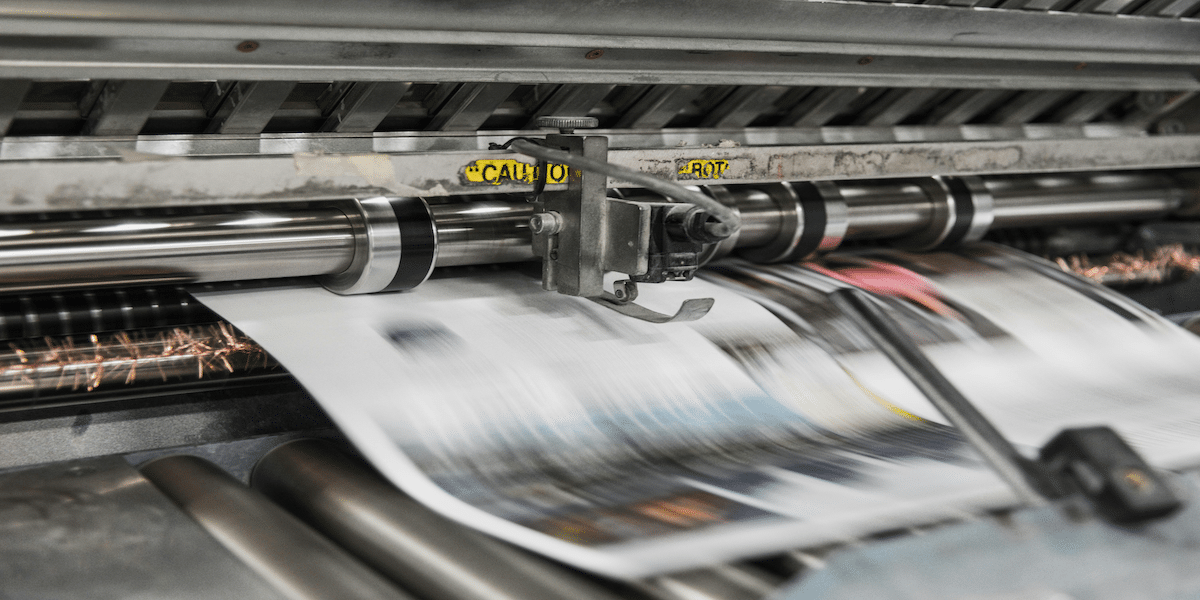
The art of commercial printing is a field that has been around for centuries. From the printing presses of old to the digital presses of today, printing has been a vital tool for businesses to create marketing materials, product packaging, and so much more.

Commercial printing is a process that involves the reproduction of text and images on paper, plastics, textiles, and other materials. This process is used to create a wide range of products, such as brochures, flyers, posters, banners, business cards, packaging, labels, and more.

There are two main types of printing: digital printing and offset printing. Digital printing uses digital files to create high-quality prints on a variety of materials. Offset printing, on the other hand, uses plates to transfer ink onto paper or other materials. Each method has its advantages and disadvantages, and businesses should choose the right method based on their specific needs.

One of the key advantages of commercial printing is the ability to create high-quality, professional-looking materials. In today’s fast-paced world, businesses need to stand out to be noticed. With the help of commercial printing, businesses can create eye-catching marketing materials that attract customers and help them build their brand.

Another advantage of commercial printing is its versatility. Printing can be done on a wide range of materials, from paper and cardboard to vinyl and fabric. This versatility makes it possible to create a wide range of products, such as signs, banners, posters, and product packaging.

One of the most important aspects of commercial printing is color accuracy. Businesses rely on printing companies to create materials that accurately represent their brand colors and messaging. With the help of advanced technology and experienced printing professionals, businesses can be confident that their materials will be printed with precision and accuracy.

Printing

When it comes to commercial printing, businesses have a wide range of options to choose from. They can choose from a variety of printing techniques, materials, and finishes to create products that meet their specific needs. Some of the most popular printing techniques include UV printing, digital printing, and screen printing.

UV printing is a technique that uses ultraviolet light to dry ink as it is printed onto the material. This technique is fast and produces high-quality, durable prints. Digital printing, as mentioned earlier, is a technique that uses digital files to create prints. This technique is ideal for small to medium-sized runs and produces high-quality, vibrant prints. Screen printing is a technique that uses a mesh screen to transfer ink onto the material. This technique is ideal for larger runs and produces bright, vivid colors.

In addition to printing techniques, businesses can also choose from a wide range of materials and finishes. Some popular materials for commercial printing include paper, cardboard, vinyl, and fabric. These materials can be finished with various coatings and finishes, such as gloss, matte, and metallic. Each finish has its unique look and feels, making it possible to create eye-catching and unique products.

Commercial Printing Washington DC

The importance of commercial printing cannot be overstated. In today’s world, businesses need to stand out to be noticed. With the help of commercial printing, businesses can create high-quality, eye-catching materials that attract customers and help them build their brands.

When choosing a commercial printing company, businesses should look for one that has the experience and a proven track record of success. They should also choose a company that offers a wide range of services and options, so they can get the materials they need at a price they can afford.

In conclusion, commercial printing is a vital tool for businesses to create high-quality, professional-looking materials that attract customers and help them build their brand. With a wide range of options and techniques available, businesses can create products that meet their specific needs and stand out in a crowded marketplace. Whether you’re creating product packaging, marketing materials, or signage, commercial printing.