6 Resources to Help You Understand International Macroeconomic Dynamics

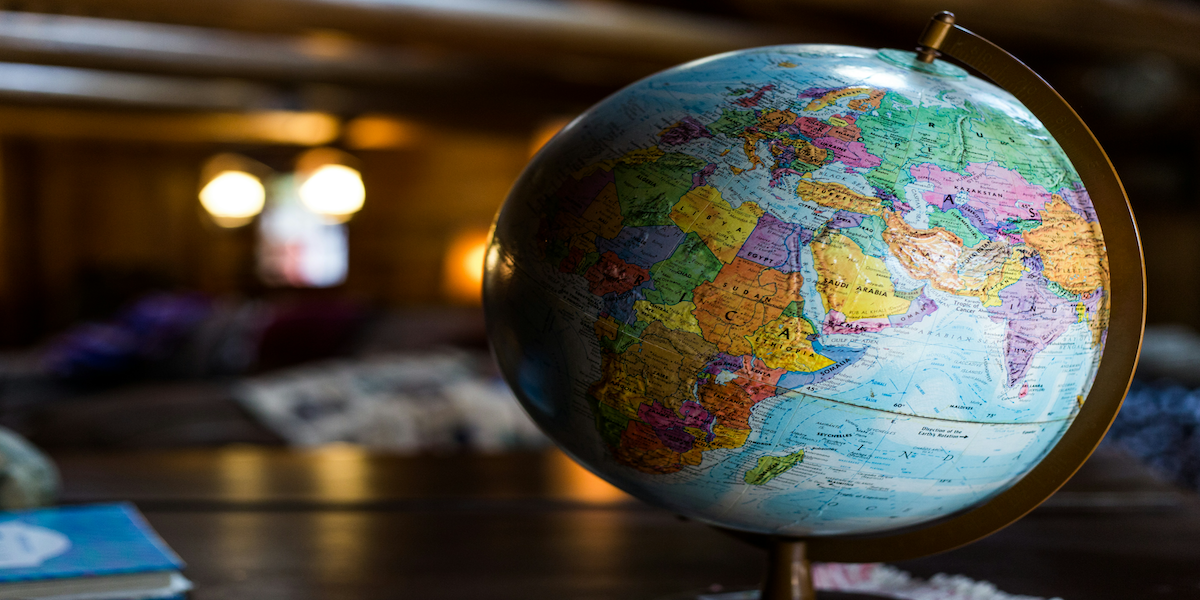
Image commercially licensed from Unsplash

International macroeconomics refers to a field within economics that focuses on analyzing and understanding the global economy. Macroeconomics, in general, looks at the behavior, structure, and performance of economies; while international macroeconomics is specific to how economies interact on an international basis. With the world becoming increasingly interconnected, understanding the dynamics and trends of international macroeconomics is essential to making informed economic decisions. Here are some resources to help you get a better understanding of international macroeconomic dynamics:

1. The Mundell-Fleming Model

One of the most renowned international macroeconomic models is the Mundell-Fleming model. It was developed by Robert A. This three-equation model explains the relationships between exchange rates, domestic output, and interest rates. It has been used extensively to analyze economic policy issues in the Eurozone and other international markets.

For instance, the model demonstrates how exchange rate movements can influence domestic investment or trade. It also explains how domestic and international factors interact. A government policy designed to stimulate economic growth may be more effective when combined with other policies designed to increase demand from abroad. Additionally, the Mundell Fleming model provides insight into how changes in government policies and other factors can affect international macroeconomic dynamics. It also explains why some nations may experience higher economic growth than others.

2. Balance of Payments

The balance of payments is an important concept to understand regarding international macroeconomics. This document tracks all the money entering and leaving a country over time. It helps identify whether or not the nation is running a trade deficit or surplus, as well as any other changes in the money supply.

With this information, economists can start to analyze the external financial position of a nation as it relates to its international trading activity. Additionally, by looking at the balance of payments, economists can gain insight into how the nation performs on the international stage and make informed decisions about economic policy.

3. Globalization

Globalization has been a major driver of international macroeconomic dynamics over the past few decades. It refers to increasing interconnectedness between markets and nations worldwide through trade, investment, technology transfer, migration, and more.

Understanding globalization is an important part of comprehending international macroeconomics, as it helps explain the rise of global supply chains and multinational corporations and increased economic integration between countries. Additionally, economists can use this knowledge to analyze how changes in global markets can affect national economies, both positively and negatively.

4. Exchange Rate Determination

The exchange rate is a key factor in international macroeconomics. 

The exchange rate denotes the value at which one currency can be swapped for another, and it fluctuates in accordance with the market’s supply and demand forces. Understanding how exchange rates are determined can help economists analyze how economic policies affect macroeconomic stability and growth.

One way to look at exchange rate determination is through the Purchasing Power Parity (PPP) theory. This theory states that in an efficient market, the price of a basket of goods should be equal across two different countries. Thus, if one country’s currency becomes more expensive than another country’s currency, its goods become more expensive as well.

5. International Monetary Fund (IMF)

In the ever-changing landscape of global finances, it can be difficult to make sense of it all. Luckily, the International Monetary Fund (IMF) has released its World Economic Outlook, which provides a comprehensive review of the economic developments taking place around the world. From subtle shifts in interest rates to sweeping policy changes, this report closely examines the factors shaping the world economy.

It’s clear that you’ll want to take a closer look at the IMF’s findings to stay informed and make informed decisions. By understanding the IMF’s report, you can also understand how international macroeconomic dynamics are playing out in real time.

6. Trade Policy Briefs from the World Bank

Understanding trade dynamics in different countries is essential for businesses and policymakers alike as the global market continues to evolve. The World Bank’s Trade Policy Briefs provide valuable insights into the unique challenges and opportunities facing worldwide regions. By analyzing trends in trade policies and economic development, these briefs offer a comprehensive perspective on the changing landscape of international trade. From Africa to Asia, Europe to the Americas, the World Bank’s research sheds light on the factors shaping global trade, making it an invaluable resource for anyone interested in staying ahead of the curve.

In conclusion, the topics of international macroeconomics can be daunting, but understanding them is essential to success in today’s interconnected economy. By exploring these resources and concepts, you’ll be better equipped to assess global economic trends and make informed decisions. With this knowledge, you’ll be better equipped to make informed decisions and stay ahead of the curve.


How The Industry is Changing With Advanced Lifting Techniques

Image commercially licensed from Unsplash

If you work in a warehouse or other industrial setting, you know the lifting industry is ever-evolving. Advanced lifting techniques can mean the difference between an efficient and productive operation and one that’s inefficient and hazardous for workers. Not only do advanced lift methods help to reduce workplace injuries, but they also improve safety standards, productivity levels, and job satisfaction. Here are ways how the industry is adapting to new lifting techniques:

1. Leveraging Lifting Technology to Improve Lift Methods

The world of lifting and moving heavy objects has come a long way. With the introduction of more advanced lifting technology, improving lift methods in ways one could never have imagined is possible. The technology enables equipment to lift more weight, handle more goods, and do more work in less time.

This makes operations faster, more efficient, and safer for everyone involved. Plus, companies such as RUD Australia, provider of lifting solutions, have developed specialized equipment with safety features such as chain connectors, swivel protection eyes, and impact indicators to improve further lifting operations. This technology is helping businesses in the industry increase productivity and reduce workplace injuries and accidents. 

2. Increasing Workplace Safety Standards

Workplace safety is crucial in any workplace, regardless of size or sector. Employers have a moral and legal obligation to ensure that the health and safety of their employees are protected and that appropriate measures are in place to reduce risks and prevent accidents. Thankfully, an increasing number of companies are recognizing the significance of workplace safety standards, leading them to proactively enhance their policies and protocols.

Whether it’s investing in better training for employees, implementing stricter safety regulations, or introducing new technologies to mitigate hazards, there are many ways in which workplaces can become safer and more secure. By prioritizing safety and creating a culture of awareness and best practices, companies can ensure that their employees are protected and that their businesses are successful and sustainable in the long term.

3. Improving Productivity Levels

In today’s fast-paced world, businesses must constantly look for ways to improve their productivity levels. After all, higher productivity levels can lead to increased profits and greater success in the market. But how can this be achieved? One way is by implementing effective time management strategies, such as prioritizing tasks and setting goals.

Additionally, providing employees with the necessary tools and resources, such as training and technology, can help them work more efficiently. Establishing a favorable work environment, wherein employees feel appreciated and nurtured, holds equal importance as it contributes to enhanced motivation and engagement levels. Businesses can improve their productivity levels by taking these steps and ultimately achieve greater success.

4. Enhancing Job Satisfaction

Employees spend a large part of their lives at work, so it’s important that they feel fulfilled and happy with their jobs. Enhancing job satisfaction can be achieved in various ways. Firstly, providing employees with clear career paths can help them envision a future within the company. Offering competitive salaries, benefits, and perks can also improve morale and make employees feel valued.

Open communication between employees and management can also create a positive work environment. Lastly, opportunities for professional development and learning can improve job satisfaction and result in better-equipped employees who can contribute more to the company. By prioritizing job satisfaction, companies can increase productivity and overall success while creating a happier and more engaged workforce.

5. Utilizing Ergonomic Designs for a Safer and More Efficient Operation

Ergonomic designs are becoming increasingly popular in the lifting industry as they can help reduce injuries and lead to more efficient operations. Ergonomic equipment can be designed based on anatomical features, ensuring workers are comfortable and safe when performing tasks.

In addition, ergonomic designs can help improve productivity by decreasing fatigue and improving posture and balance. Companies can also benefit from ergonomic designs as they can help reduce the cost of replacing damaged equipment and long-term maintenance expenses.

6. Integrating Automation to Reduce Manual Labor Efforts

Automation is quickly becoming a key factor in many industries, including the lifting industry. Automated equipment can reduce manual labor, resulting in more efficient operations and higher productivity. It also eliminates the need for additional workers and reduces operational costs.

In addition, automated equipment is more precise when performing tasks as it doesn’t rely on human error. This results in higher-quality products and fewer risks. Automation can also increase safety levels by reducing the chances of accidents due to human error.

In today’s business world, companies need to prioritize safety and productivity. By implementing effective policies, investing in technologies and resources, and creating a positive work environment, businesses can ensure that their employees are safe and productive. Additionally, leveraging automation and ergonomic designs can reduce manual labor efforts while making operations more efficient. Ultimately, by investing in these strategies, businesses can ensure their employees’ health and safety and improve their bottom line.

Unmasking the Dark Side: Fake ID Reviews Exposed

Image commercially licensed from Unsplash

In the shadowy corners of the internet, a clandestine market thrives—one that caters to the demand for fake identification documents. As individuals seek ways to deceive age restrictions and gain access to age-restricted venues, fake ID reviews have emerged as a crucial resource for those in search of counterfeit identification. However, it is important to shed light on the dangers and ethical concerns associated with these reviews. This article delves into the world of fake ID reviews, uncovering the risks they pose and the potential consequences for both buyers and sellers.

The Proliferation of Fake ID Reviews:

With the rise of online platforms, forums, and communities, fake ID review websites and forums have gained traction. These platforms provide a space for individuals to share their experiences with various sellers and discuss the quality, reliability, and success rates of different fake ID vendors. Reviews often encompass factors such as the authenticity of the documents, customer service, shipping times, and overall satisfaction. While these reviews may seem helpful to prospective buyers, they come with inherent risks and ethical dilemmas.

Risks Associated with Fake ID Reviews:

Unreliable Information: It’s crucial to recognize that the information shared in fake ID reviews cannot be independently verified. False reviews and biased opinions are prevalent, making it challenging to discern genuine feedback from misleading or fabricated accounts. Relying solely on reviews can lead to misguided decisions and potential legal repercussions.

Promotion of Illegal Activities: By participating in fake ID review platforms, individuals indirectly support and promote illegal activities. The very act of purchasing or using counterfeit identification is against the law in most jurisdictions, and fake ID reviews perpetuate the demand for these illegal services.

Scams and Fraudulent Sellers: Some unscrupulous vendors may manipulate or post fake reviews to attract unsuspecting buyers. Positive reviews can be used as a tactic to lure individuals into purchasing from sellers who may ultimately provide substandard or non-existent products, resulting in financial loss and potential legal consequences.

Ethical Considerations:

Engaging in fake ID reviews raises significant ethical concerns. By participating in these forums, individuals contribute to the normalization and acceptance of illegal activities. The promotion and discussion of counterfeit identification perpetuate a culture that undermines the integrity of identification systems, potentially leading to various negative consequences.

Alternatives and Safer Choices:

Compliance with Legal Requirements: Instead of seeking ways to bypass age restrictions, individuals should consider embracing age-appropriate activities and respecting legal requirements. Many venues and establishments offer alternative events or experiences specifically designed for younger audiences.

Education and Responsible Choices: It is crucial to educate individuals, especially teenagers and young adults, about the risks, consequences, and ethical implications associated with fake IDs. Encouraging responsible decision-making and promoting alternative avenues for enjoyment can help deter individuals from seeking counterfeit identification.

Reporting Illegal Activities: If individuals encounter sellers or platforms promoting fake IDs, it is essential to report such activities to the appropriate authorities. Taking a stand against illegal practices helps protect society, discourage counterfeit identification, and uphold the integrity of identification systems.

Conclusion:

While fake ID reviews may appear to offer valuable insights into the world of counterfeit identification, they come with significant risks and ethical dilemmas. Engaging in these platforms contributes to the perpetuation of illegal activities, supports scams, and undermines the integrity of identification systems. Embracing legal alternatives and promoting responsible decision-making can help mitigate the demand for fake IDs, protect individuals from potential harm, and uphold the principles of legality and integrity.