6 Life Lessons The World Can Learn From Japanese Culture

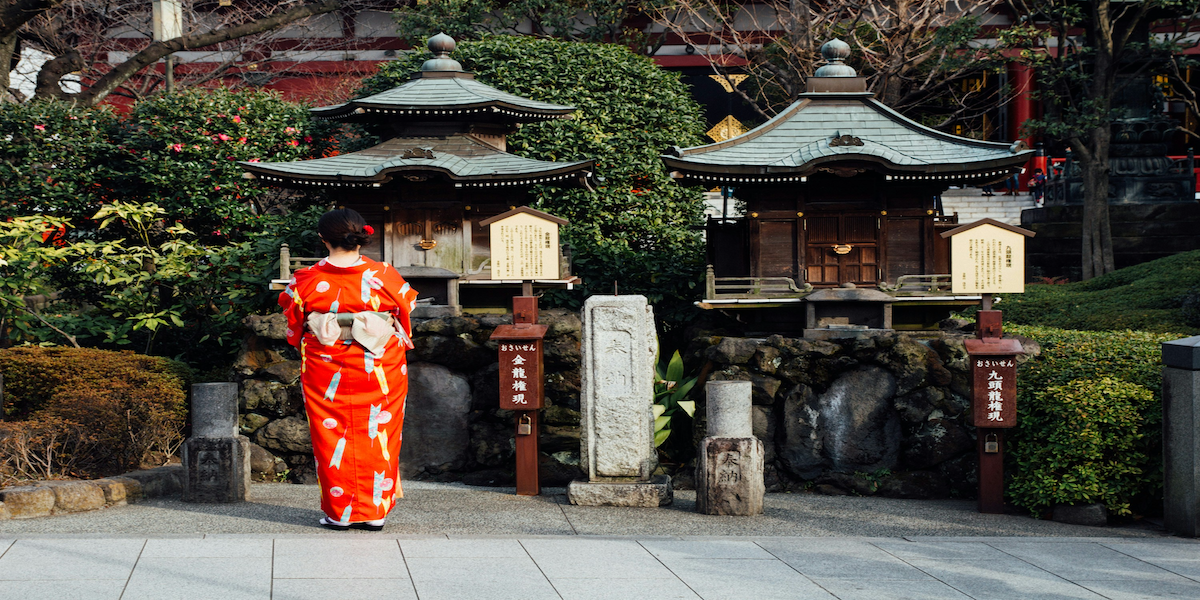
Image commercially licensed from Unsplash
Japanese culture is renowned for its rich traditions, intricate art forms, and unique way of life. Beyond its fascinating aesthetics, Japanese culture holds valuable life lessons that can inspire and transform our perspectives. In this blog, we will explore six profound lessons that the world can learn from Japanese culture, offering insights into simplicity, mindfulness, harmony, nature, perseverance, and gratitude.
1. Discovering Life’s Purpose and Value
Discovering life’s purpose and value is a universal quest that transcends cultural boundaries. In Japanese culture, the concept of “ikigai” offers profound insights into this journey. Ikigai represents the intersection of four elements: what we love, what we are good at, what the world needs, and what we can be paid for. It encompasses finding a sense of purpose, fulfillment, and a reason to get out of bed each day. Japanese culture emphasizes the importance of exploring and nurturing our ikigai, as it brings a deep sense of meaning and satisfaction to our lives. By aligning our passions, talents, contributions to society, and financial stability, we can embark on a journey of self-discovery and live a purpose-driven life.
2. Cultivating Mindfulness and Presence
In Japanese culture, mindfulness is integrated into various aspects of daily life. Whether it’s the practice of tea ceremonies, the precision of calligraphy, or the art of flower arrangement (ikebana), the Japanese emphasize the value of being fully present in every action.
Cultivating mindfulness can bring numerous benefits. It helps reduce stress, anxiety, and negative emotions, promoting calm and inner peace. It enhances our ability to focus, make clear decisions, and improve our mental well-being. Moreover, it deepens our connections with others and the world, fostering a greater sense of empathy, compassion, and gratitude.
We can incorporate simple practices into our daily lives to cultivate mindfulness and presence. This may include mindful breathing exercises, meditation, or engaging in activities with full attention and intention. We can also create moments of stillness and silence to quiet the mind and tune into the present moment.
3. Valuing Harmony and Balance
Valuing harmony and balance is a key aspect of Japanese culture, and it holds valuable lessons for all of us. The concept of “wa” emphasizes the importance of finding equilibrium in various aspects of life. By seeking harmony and balance, we can cultivate a sense of peace, cooperation, and well-being. This involves finding a balance between work and personal life, nurturing harmonious relationships, and seeking a holistic approach to health and wellness. Valuing harmony and balance allows us to navigate life with greater ease and contentment, fostering a harmonious coexistence with ourselves, others, and the world around us.
4. Respecting Nature and Finding Connection
Nature holds a revered place in Japanese culture. From the serene beauty of cherry blossoms to the tranquility of Japanese gardens, the Japanese have a profound respect for the natural world. This appreciation manifests in practices like shinrin-yoku (forest bathing) and the celebration of cherry blossom season.
By respecting and connecting with nature, we cultivate a sense of awe, gratitude, and responsibility towards the environment. It encourages us to slow down, immerse ourselves in the beauty of nature, and seek harmony with the natural world. Through this connection, we can find solace, inspiration, and a renewed commitment to environmental stewardship. and the wonders of the natural world, and seek solace and inspiration in its embrace.
5. Fostering Perseverance and Resilience
The Japanese work ethic is characterized by the concept of “gaman,” which translates to enduring perseverance. Whether in the face of adversity, challenges, or setbacks, the Japanese embrace the spirit of resilience. They understand the value of persistence, hard work, and dedication to achieving their goals. By embracing this mindset, we can cultivate the determination and resilience needed to overcome obstacles and grow through adversity.
Fostering perseverance and resilience allows us to bounce back from setbacks, learn from failures, and ultimately achieve personal and professional success. It strengthens our character and empowers us to navigate life’s ups and downs with unwavering determination.
6. Practicing Gratitude and Respect
Gratitude and respect are deeply embedded in Japanese culture and hold immense value for everyone. The Japanese express gratitude through words like “arigatou” and show respect through acts like bowing. By embracing gratitude, we cultivate a positive mindset, appreciating the blessings in our lives and fostering contentment. Showing respect for others, nature, and cultural traditions promotes harmony and a sense of interconnectedness.
It encourages empathy, compassion, and open-mindedness. Practicing gratitude and respect allows us to create a more harmonious and inclusive world, where kindness and appreciation are the guiding principles in our interactions with others and our relationship with the world.
Japanese culture offers a treasure trove of life lessons that can inspire and enrich our lives. By embracing simplicity, cultivating mindfulness, valuing harmony, respecting nature, fostering perseverance, and practicing gratitude, we can enhance our well-being, deepen our connections, and find greater fulfillment. Let us embrace the wisdom of Japanese culture and integrate these valuable lessons into our daily lives, for they have the power to transform our perspectives and create a more harmonious and meaningful existence.